
Introduction
You finally reach the end of your tattoo’s healing journey.
The peeling has stopped, the skin feels normal again and you’re excited to see the finished result.
But then you notice something.
A tiny section looks lighter than expected.
Perhaps one fine line isn’t quite as sharp, or a small area seems to have healed unevenly.
Does that mean something went wrong?
Usually not.
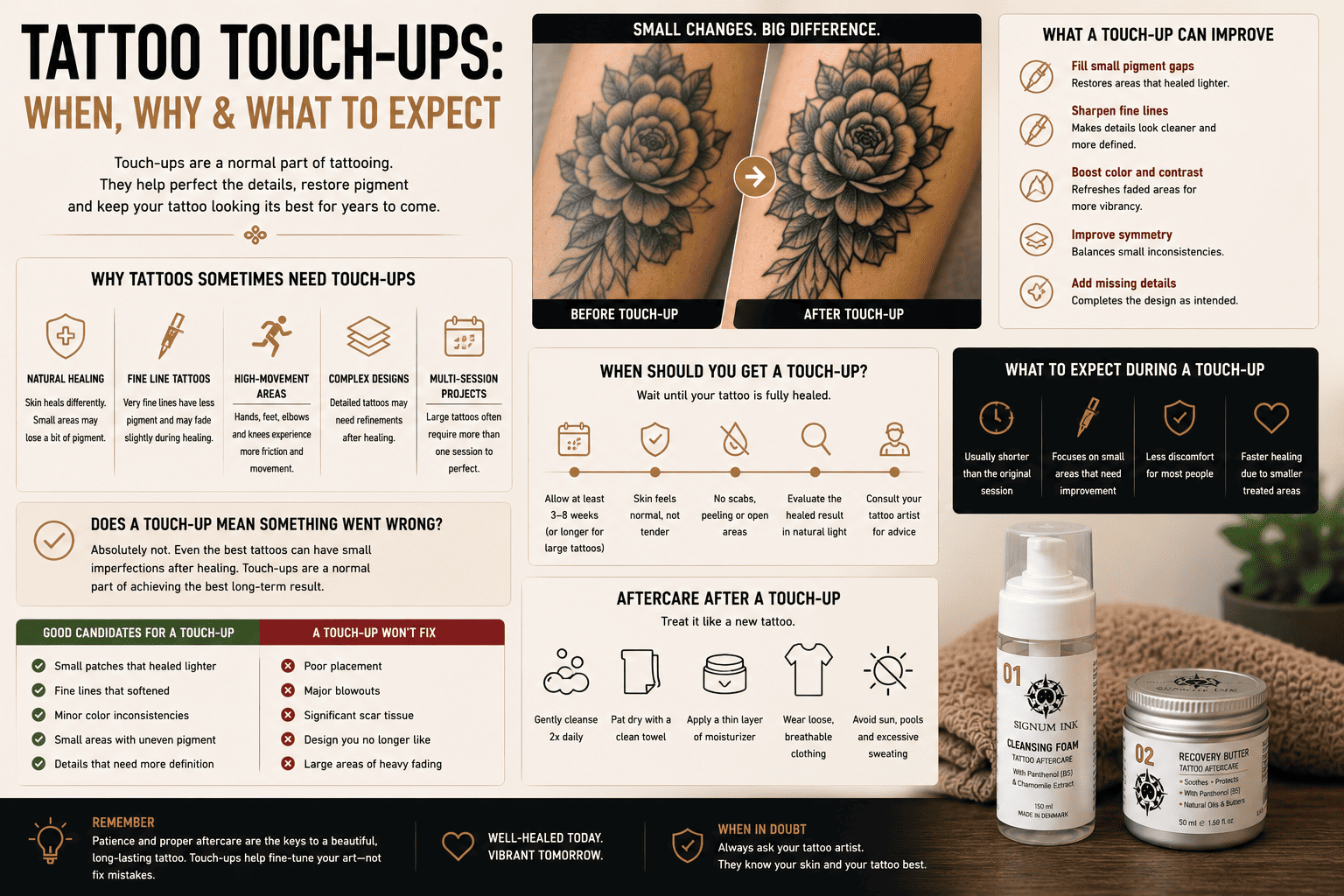
Touch-ups are a normal part of tattooing and are often recommended even after a tattoo has healed well.
In this guide, we’ll explain why touch-ups are sometimes needed, when it’s the right time to have one and what you can expect during the process.
What Is a Tattoo Touch-Up?
A tattoo touch-up is a follow-up session in which a tattoo artist makes small adjustments after the tattoo has fully healed.
This may involve:
- Reinforcing faded pigment.
- Sharpening fine lines.
- Improving small details.
- Evening out color.
- Correcting tiny imperfections.
Unlike a cover-up, a touch-up works with the existing tattoo rather than replacing it.
Why Do Tattoos Need Touch-Ups?
There are many perfectly normal reasons why a tattoo may benefit from a touch-up.
These include:
Natural Healing
Every person’s skin heals differently.
Small variations in healing can leave isolated areas slightly lighter than others.
Fine Line Tattoos
Very fine details naturally have less pigment.
Tiny variations during healing are often more noticeable in delicate line work.
High-Movement Areas
Tattoos on the:
- Hands.
- Fingers.
- Feet.
- Elbows.
- Knees.
may lose small amounts of pigment more easily because these areas experience greater movement and friction.
Complex Designs
Large or highly detailed tattoos sometimes require several sessions to achieve the desired result.
A touch-up allows the artist to perfect small details after the skin has healed.
Does a Touch-Up Mean Something Went Wrong?
Absolutely not.
Many professional tattoo artists include one complimentary touch-up because they expect minor variations in healing.
The goal isn’t perfection on the first day.
The goal is achieving the best possible long-term result once the skin has fully recovered.
When Should You Get a Touch-Up?
Patience is important.
A tattoo should always be fully healed before additional tattooing is considered.
Most artists recommend waiting several weeks—or longer—depending on the size of the tattoo and how your skin heals.
Your tattoo artist is the best person to advise you on the appropriate timing.
What Happens During a Touch-Up?
A touch-up appointment is usually much shorter than the original tattoo session.
Depending on what’s needed, the artist may:
- Refill small areas.
- Strengthen line work.
- Restore color.
- Improve symmetry.
- Add missing details.
Because the area is much smaller, recovery is often quicker than after the initial tattoo.
Most Tattoos Don’t Need Major Corrections
One of the biggest misconceptions is that needing a touch-up means the tattoo has failed.
In reality, touch-ups are simply part of achieving the best possible final result.
They’re often minor refinements rather than major repairs.
How Should You Care for a Tattoo After a Touch-Up?
A touch-up should be treated just like a brand-new tattoo.
Although the treated area is often much smaller, your skin still needs time to heal properly.
Follow the same aftercare principles:
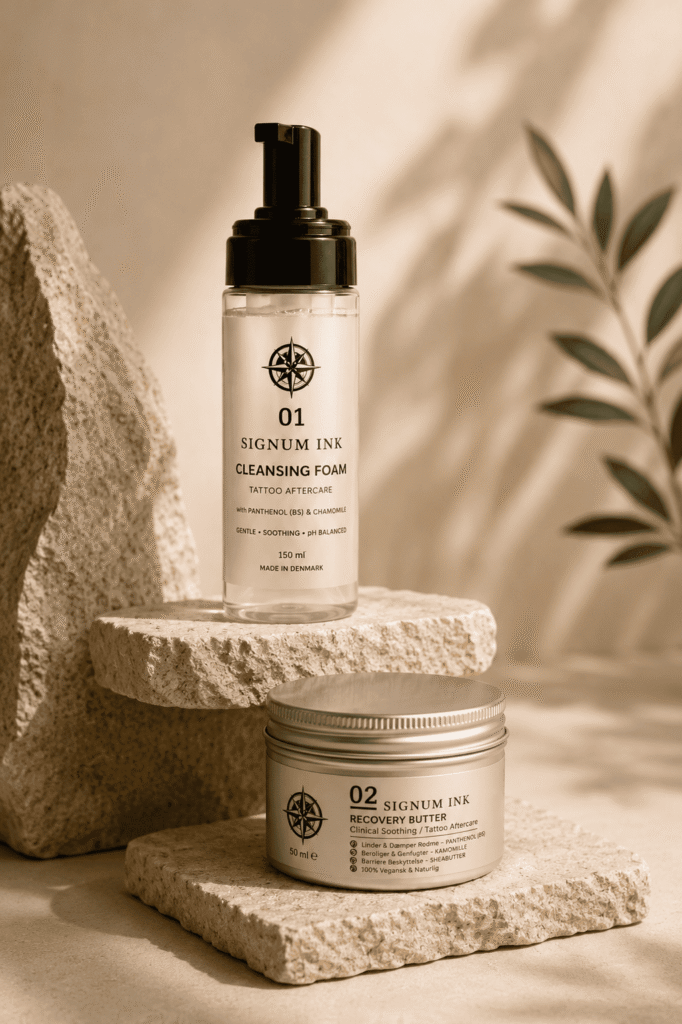
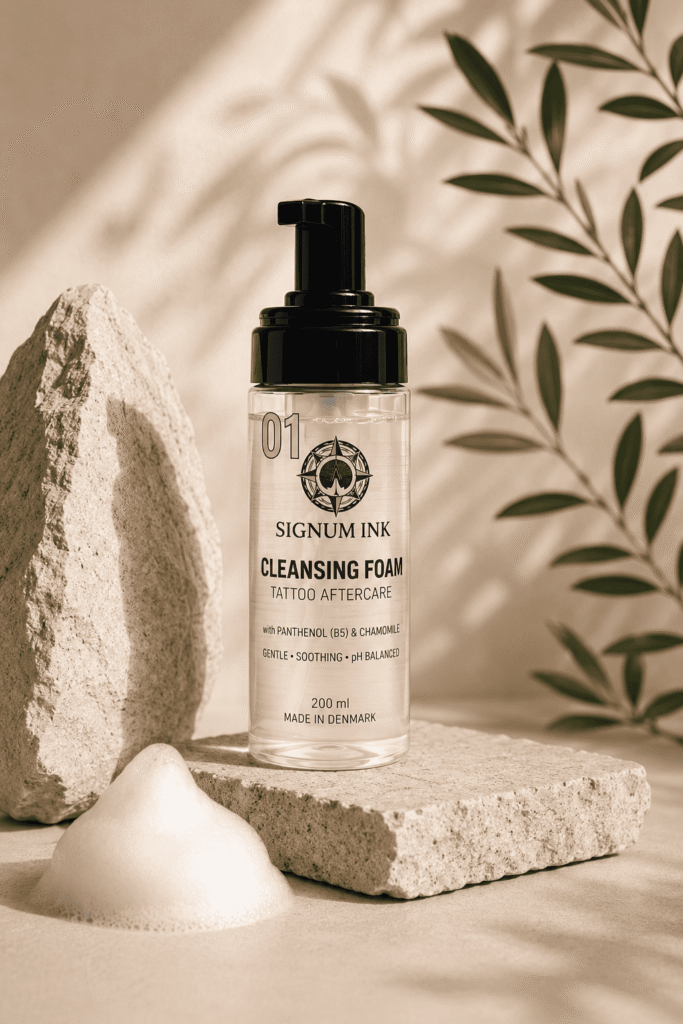
- Wash the area gently with lukewarm water and a mild cleanser.
- Pat the skin dry with a clean towel.
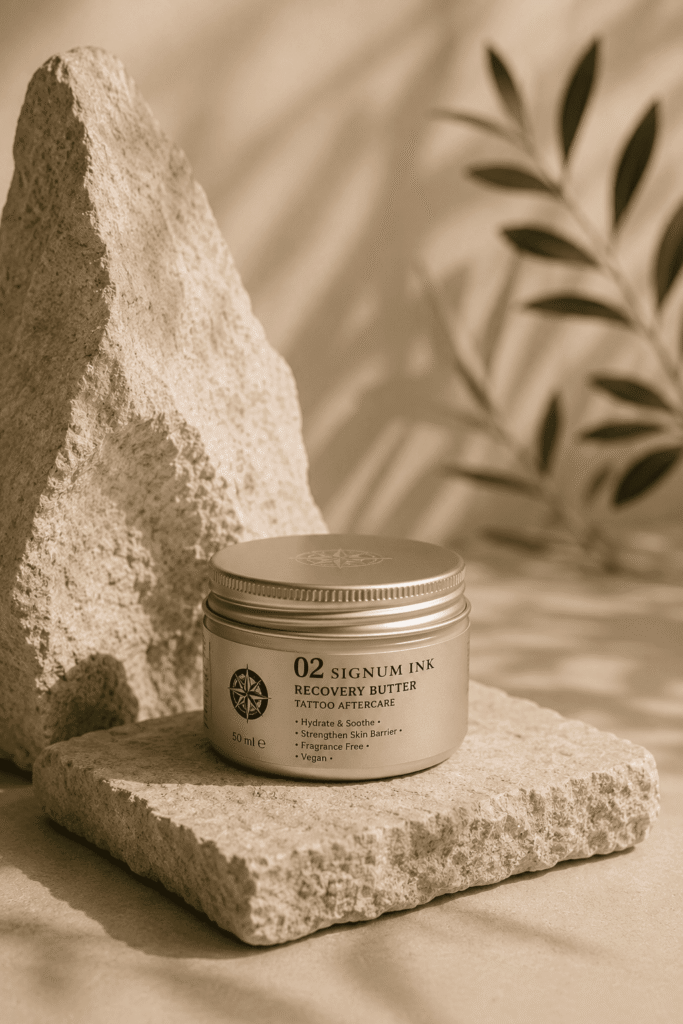
- Apply a thin layer of moisturizer when needed.
- Avoid scratching or picking.
- Wear loose, breathable clothing if the tattoo is covered.
Consistent aftercare helps support even healing after the touch-up.
When Should You Delay a Touch-Up?
Not every tattoo is ready for additional work immediately.
Avoid scheduling a touch-up if:
- The tattoo is still peeling.
- The skin remains tender.
- There are open areas.
- Scabs are still present.
- You suspect an infection or another healing complication.
Tattooing over skin that hasn’t fully recovered may increase irritation and prolong healing.
Can a Touch-Up Improve Every Tattoo?
Not always.
Touch-ups work best for:
- Small pigment gaps.
- Fine line refinements.
- Minor color inconsistencies.
- Slightly faded details.
They cannot completely change:
- Tattoo placement.
- Overall design.
- Major blowouts.
- Significant scar tissue.
In these situations, your tattoo artist may recommend a different solution, such as a cover-up or laser treatment.
Can You Get More Than One Touch-Up?
Yes.
Some tattoos receive more than one touch-up during their lifetime.
For example:
- Shortly after healing.
- Several years later as the tattoo naturally ages.
- Following significant fading caused by sun exposure.
There’s no fixed number.
The decision depends on the tattoo’s condition and your personal preferences.
Common Myths About Tattoo Touch-Ups
Myth 1: A Touch-Up Means the Tattoo Artist Made a Mistake
False.
Even excellent tattoos sometimes benefit from minor refinements after healing.
Touch-ups are a normal part of professional tattooing.
Myth 2: Every Tattoo Needs a Touch-Up
False.
Many tattoos heal beautifully without requiring any additional work.
Myth 3: A Touch-Up Doesn’t Need Aftercare
False.
A touch-up creates fresh microscopic skin injuries.
Proper aftercare is just as important as it was after the original tattoo.
Myth 4: The Sooner You Get a Touch-Up, the Better
Not true.
Touching up a tattoo before it’s fully healed may interfere with recovery and increase the risk of complications.
Frequently Asked Questions
How long should I wait before getting a tattoo touch-up?
Most tattoo artists recommend waiting until the tattoo has fully healed.
The exact timing depends on the size of the tattoo, its location and your individual healing process.
Is a touch-up more painful than the original tattoo?
Many people find that a touch-up is less uncomfortable because it usually involves a much smaller area and takes less time.
Pain levels vary from person to person.
Do touch-ups heal faster?
Often, yes.
Because the treated area is usually smaller, recovery is frequently shorter than after the original tattoo.
However, the skin still requires proper aftercare.
Will a touch-up make my tattoo look brand new?
A touch-up can improve color, definition and small imperfections, but it won’t stop the natural aging process.
Are touch-ups free?
Some tattoo artists include one complimentary touch-up within a certain time after the original tattoo, while others charge separately.
Policies vary, so it’s best to discuss this with your tattoo artist before your appointment.
Conclusion
A tattoo touch-up is a normal part of maintaining many tattoos.
It doesn’t necessarily mean anything went wrong.
Instead, it allows your tattoo artist to make small refinements after seeing how your skin has healed.
By waiting until the tattoo has fully recovered and following good aftercare afterward, you give your skin the best opportunity to heal beautifully once again.
Small adjustments today can help your tattoo look its best for many years to come.
Continue Learning
Wondering why your tattoo healed slightly lighter in certain areas?
→ Read: Tattoo Fading: Why Tattoos Lose Color & How to Prevent It
 English
  German
  Dutch
Dutch  Danish
  Swedish
  French
  Italian