
Introduction
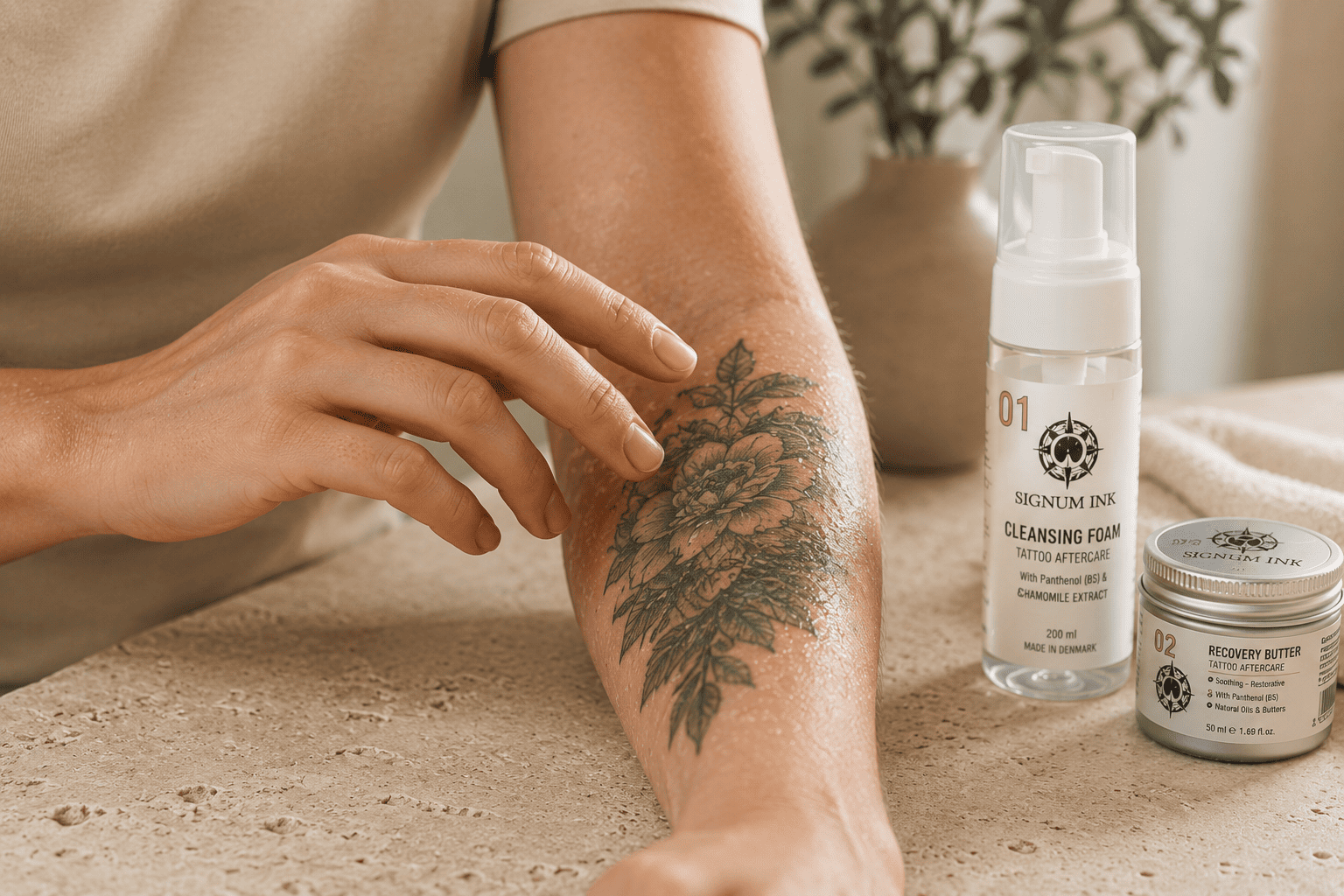
If you’ve recently had a tattoo, you’ve probably experienced one of the most frustrating parts of the healing process:
The itching.
For some people, it’s only mild.
For others, it can be surprisingly intense.
Your first instinct might be to scratch the area—but is that actually safe?
In most cases, the answer is no.
Although itching is a completely normal part of tattoo healing, scratching can irritate the skin, disrupt healing and make your tattoo less comfortable to recover.
The good news is that there are much better ways to deal with the itch.
In this guide, you’ll learn why tattoos itch, what happens if you scratch them, and how to relieve the discomfort without interfering with your tattoo’s natural healing process.
Why Do Tattoos Itch?
Itching is a normal part of wound healing.
As your tattoo heals, your body repairs damaged skin, rebuilds the protective skin barrier and restores normal nerve function.
During this process, nerve endings become more active, which often creates the familiar itchy sensation.
You may also notice itching becoming stronger when:
- The tattoo starts peeling.
- The skin becomes dry.
- New skin forms over the tattoo.
- The area begins to tighten.
All of these changes are common during normal healing.
Is It Normal for a Tattoo to Itch?
Yes.
In fact, many people worry when their tattoo starts itching because they assume something is wrong.
Usually, the opposite is true.
An itchy tattoo often indicates that your skin is progressing through a normal stage of healing.
The intensity varies from person to person.
Some tattoos hardly itch at all.
Others may itch on and off for several weeks.
What Happens If You Scratch It?
A light accidental touch is unlikely to cause serious damage.
Repeated scratching, however, can create unnecessary problems.
Scratching may:
- Irritate healing skin.
- Remove scabs too early.
- Increase redness.
- Cause small breaks in the skin.
- Introduce bacteria from your fingernails.
- Delay healing.
Your tattoo is usually strongest when you simply allow your skin to recover naturally.
Does Scratching Remove Tattoo Ink?
This is one of the most common fears.
The tattoo ink sits much deeper than your fingernails can reach.
However, scratching can damage the healing skin above the tattoo.
If scabs are removed prematurely, the skin may heal less evenly, which is one reason tattoo artists recommend leaving the area alone.
Rather than worrying about the ink itself, focus on protecting the healing skin.
Why Itching Often Gets Worse at Night
Many people notice that their tattoo seems itchier in the evening.
Several factors may contribute:
- You’re more relaxed and therefore notice the sensation more.
- The skin may become drier overnight.
- Warm bedding can make itching feel more noticeable.
- Fewer distractions mean you’re more aware of minor discomfort.
This is completely normal.
Keeping your bedroom cool and your skin comfortably moisturized often helps.
What If You Accidentally Scratch Your Tattoo?
Don’t panic.
Almost everyone brushes or scratches their tattoo by accident at some point.
If you notice you’ve scratched it:
- Wash your hands.
- Check the tattoo for any obvious damage.
- Continue your normal aftercare routine.
- Avoid scratching again.
A single accidental scratch rarely ruins a tattoo.
Consistent aftercare is much more important.
Itching Usually Doesn’t Last Forever
The itching phase is temporary.
For many people, it becomes less noticeable once peeling has finished and the skin barrier continues strengthening.
Although it may feel frustrating in the moment, it’s usually a sign that your body is doing exactly what it’s supposed to do.
Patience really is one of the best forms of tattoo aftercare.
Safe Ways to Relieve Tattoo Itching
The best approach is to relieve the itch without damaging the healing skin.
Several gentle methods can help make your tattoo more comfortable.
These include:
- Applying a thin layer of moisturizer if the skin feels dry.
- Gently tapping around the tattoo instead of scratching.
- Keeping the area cool.
- Wearing loose, breathable clothing.
- Avoiding excessive heat.
These simple habits often reduce itching while allowing your skin to continue healing naturally.
Can Moisturizer Help?
Yes.
Dry skin often feels itchier than well-hydrated skin.
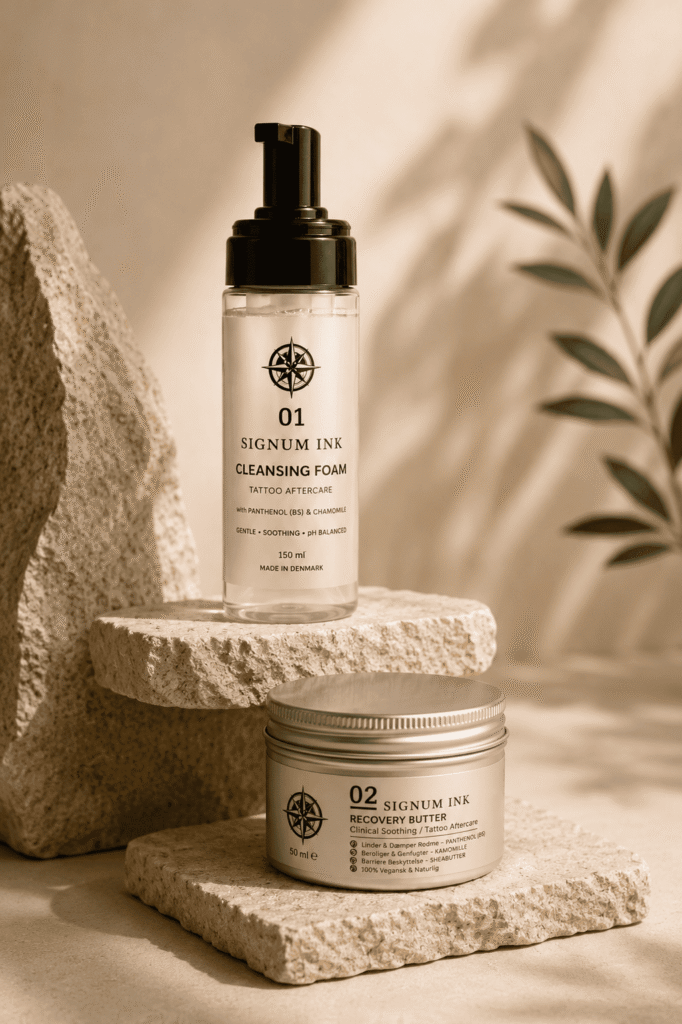
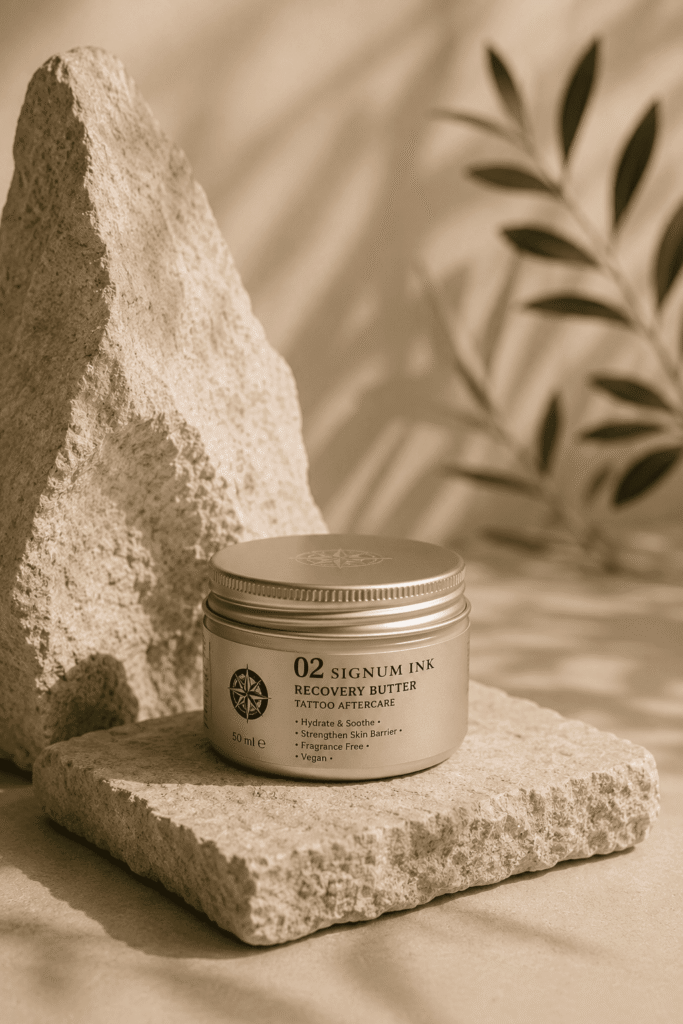
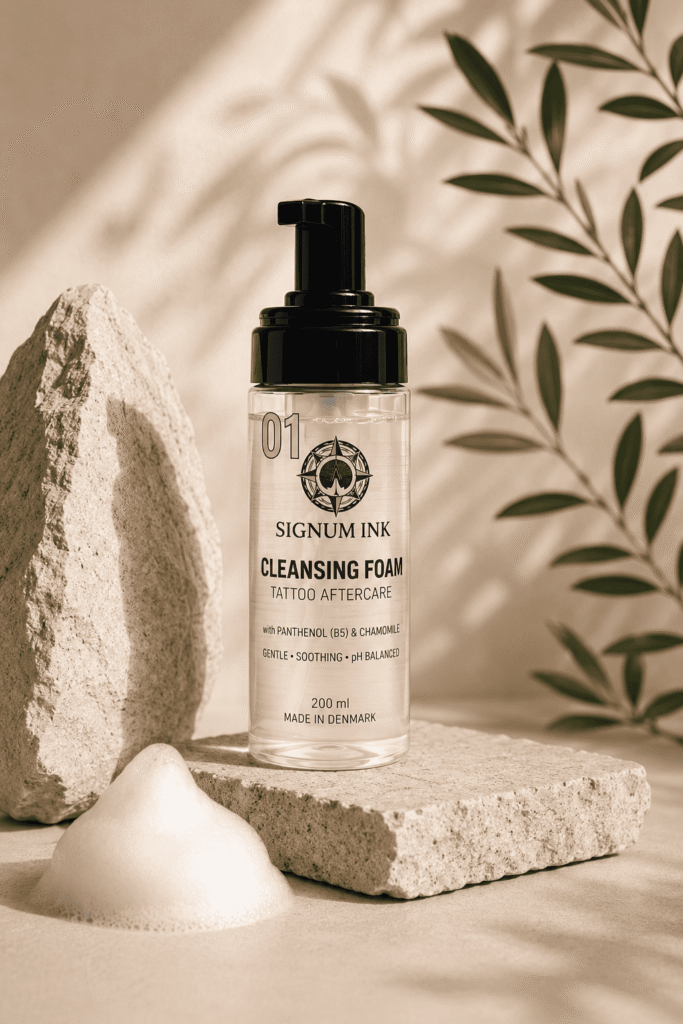
Applying a light layer of a fragrance-free tattoo aftercare product or moisturizer can help improve comfort.
The key is moderation.
Your tattoo shouldn’t feel greasy or heavily coated.
Instead, aim for skin that feels:
- Comfortable
- Flexible
- Hydrated
Healthy skin is often less itchy.
Does a Cold Compress Help?
Sometimes.
A cool compress can temporarily reduce itching and provide relief.
If you choose to use one:
- Wrap it in a clean cloth.
- Apply it for a few minutes at a time.
- Avoid placing ice directly on the tattoo.
Cooling the skin—not freezing it—is the goal.
When Is Itching Not Normal?
Although itching is usually harmless, it can occasionally indicate something other than normal healing.
Consider contacting your tattoo artist or a healthcare professional if itching is accompanied by:
- Increasing redness
- Significant swelling
- Thick yellow or green discharge
- Severe pain
- Fever
- A widespread rash beyond the tattoo
These symptoms are not typical of normal tattoo healing and may need further assessment.
Common Myths About Itchy Tattoos
Myth 1: Scratching Helps Tattoos Heal
False.
Scratching may provide temporary relief, but it can irritate healing skin and delay recovery.
Myth 2: If It Itches, It’s Infected
Not usually.
Itching is one of the most common and expected parts of tattoo healing.
Infection typically involves additional symptoms such as worsening redness, swelling, pain or discharge.
Myth 3: Moisturizer Stops All Itching
Not completely.
Moisturizer helps reduce dryness, but some itching is simply part of the body’s natural healing process.
Myth 4: You Should Never Touch Your Tattoo
Not entirely.
You should avoid scratching, but gently washing your tattoo and applying moisturizer are important parts of proper aftercare.
Frequently Asked Questions
Is it OK if I accidentally scratched my tattoo?
Yes.
A small accidental scratch is unlikely to cause lasting damage.
Simply continue your normal aftercare routine and avoid repeated scratching.
Why is my tattoo itchier at night?
Many people notice itching more in the evening because the skin is drier, the room is warmer or there are fewer distractions.
This is usually normal.
How long does tattoo itching last?
For many people, itching is most noticeable during the first one to three weeks.
The exact duration depends on your skin and how your tattoo heals.
Can I slap my tattoo instead of scratching it?
A gentle tap around the itchy area is generally less likely to irritate the skin than scratching with your fingernails.
Be gentle and avoid repeated forceful contact.
Will scratching ruin my tattoo?
Occasional accidental scratching is rarely a problem.
Repeated scratching that removes scabs or damages healing skin is more likely to interfere with the healing process.
Conclusion
An itchy tattoo is usually a sign that your skin is healing—not that something is wrong.
Although scratching may feel tempting, allowing your skin to recover naturally gives your tattoo the best chance to heal comfortably and evenly.
Instead of scratching, focus on simple habits that support healing.
Keep your tattoo clean, moisturize when needed, wear comfortable clothing and give your skin time to recover.
The itching will pass.
Your tattoo will thank you for your patience.
Continue Learning
Want to understand every stage of tattoo healing from day one until complete recovery?
→ Read: The Complete Science of Tattoo Healing: What Happens to Your Skin from Day 1 to Day 60
 English
  German
  Dutch
Dutch  Danish
  Swedish
  French
  Italian