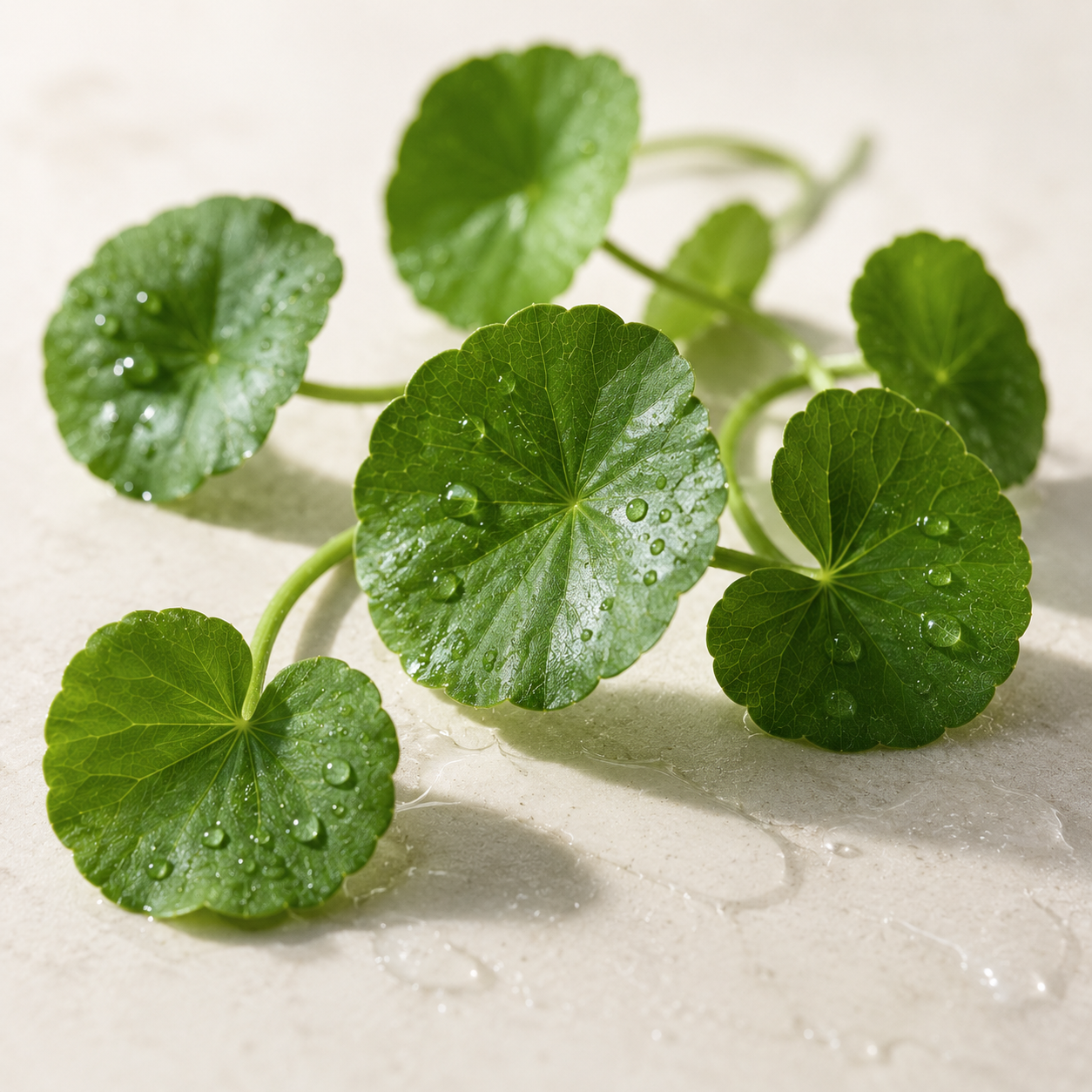
Nur wenige pflanzliche Inhaltsstoffe haben in der modernen Hautpflege so viel wissenschaftliche Aufmerksamkeit erfahren wie Tigerkraut.
Oftmals bezeichnet als Cica, Gotu Kola, oder Tigras, Diese bemerkenswerte Pflanze wird seit Jahrhunderten in traditionellen asiatischen Kräuterpraktiken verwendet. Heute genießt sie jedoch einen neuen Ruf – nicht nur aufgrund von Folklore, sondern dank jahrzehntelanger kosmetischer und dermatologischer Forschung.
Da sich die Hautpflegewissenschaft weiterentwickelt hat, Tigerkraut ist zu einer Schlüsselkomponente in Produkten für empfindliche, geschwächte und barrieregestörte Haut geworden.
Diese wachsende Popularität ist kein Zufall.
Frisch tätowierte Haut verliert vorübergehend einen Teil ihrer Schutzbarriere und beginnt einen komplexen Erholungsprozess. Während dieser Zeit sind die Aufrechterhaltung der Hydratation und die Unterstützung der natürlichen Hautbarriere einige der wichtigsten Ziele einer effektiven Tattoo-Nachsorge.
Anstatt als eine einzige “Heldenzutat” zu fungieren,” Tigerkraut funktioniert außergewöhnlich gut zusammen mit wissenschaftlich etablierten Inhaltsstoffen wie Panthenol, Glycerin, Beta-Glucan, Ceramide, und Allantoin.
Zusammen ergeben diese Inhaltsstoffe Formulierungen, die darauf ausgelegt sind, gesunde Haut zu unterstützen und gleichzeitig den natürlichen Erholungsprozess der Haut zu respektieren.
Kurz & Bündig
Zutatenart
Pflanzenextrakt
Primäre Vorteile
Barriereunterstützung • Hautkomfort • Feuchtigkeitsunterstützung
Am besten für
Frische Tattoos • Empfindliche Haut • Geschädigte Hautbarriere • Tägliche Hautpflege
Gefunden in
Regenerierende Cremes • Barrierecremes • Feuchtigkeitscremes für das Gesicht • Seren • Tattoo-Pflege
Geeignet für
Alle Hauttypen, einschließlich empfindlicher Haut
Typische kosmetische Konzentration
0.1–2%
Passt gut zu
Panthenol • Glycerin • Ceramide • Beta-Glucan • Allantoin
Wissenschaftliche Unterstützung
Ausgezeichnet
Wussten Sie schon?
Centella Asiatica wird oft “Tigergras” genannt, weil Legenden zufolge verletzte Tiger sich nach Kämpfen in der Pflanze wälzten. Während die Geschichte Teil der traditionellen Folklore ist, beruht die heutige Popularität der Pflanze auf jahrzehntelanger kosmetischer und dermatologischer Forschung und nicht allein auf Legenden.
Was ist Centella Asiatica?
Tigerkraut ist eine kleine ausdauernde Pflanze, die in Teilen Asiens, Afrikas und Australiens heimisch ist.
Jahrhundertelang wurde es in traditionellen Kräuterpraktiken verwendet, insbesondere in Indien und Ostasien.
Moderne Hautpflege konzentriert sich jedoch auf die natürlich vorkommenden bioaktiven Verbindungen der Pflanze.
Zu den am häufigsten untersuchten gehören:
- Asiaticosid
- Madecassosid
- Asiatsäure
- Madecassoside
Diese natürlich vorkommenden Verbindungen haben aufgrund ihrer Wechselwirkung mit der Haut ein erhebliches wissenschaftliches Interesse geweckt.
Heute verwenden Kosmetikhersteller sorgfältig standardisierte Extrakte, um eine gleichbleibende Qualität und zuverlässige Leistung in Hautpflegeformulierungen zu gewährleisten.
Abhängig vom Produkt kann die Zutat auf dem Etikett erscheinen als:
- Centella Asiatica Extrakt
- Centella Asiatica Blattextrakt
- Centella Asiatica Öl
- Madecassosid
- Asiaticosid
Jeder stellt eine andere Methode dar, die Wirkstoffe der Pflanze in moderne kosmetische Formulierungen einzuarbeiten.
Wie funktioniert Centella Asiatica?
Gesunde Haut ist abhängig von einer starken und widerstandsfähigen Hautbarriere.
Wenn diese Barriere vorübergehend beeinträchtigt ist – wie nach dem Stechen einer Tätowierung – verliert die Haut auf natürliche Weise mehr Feuchtigkeit und wird anfälliger für äußere Umwelteinflüsse.
Dies ist ein Grund, warum Tigerkraut ist so weit verbreitet in Produkten für empfindliche Haut geworden.
Anstatt als herkömmliche Feuchtigkeitscreme zu fungieren, Tigerkraut unterstützt die allgemeine Hautbeschaffenheit und ergänzt die für Feuchtigkeit und den Erhalt der Hautbarriere verantwortlichen Inhaltsstoffe.
Seine natürlich vorkommenden Verbindungen haben es zu einem der meist erforschten pflanzlichen Inhaltsstoffe in der Kosmetikwissenschaft gemacht.
Aus diesem Grund wählen professionelle Formulierer häufig Tigerkraut für Produkte, die darauf abzielen, empfindliche oder umweltbelastete Haut zu unterstützen.
Warum frische Tattoos von Centella Asiatica profitieren
Die Tattooheilung ist ein sorgfältig koordinierter biologischer Prozess.
Während sich die äußeren Hautschichten erholen, werden die Aufrechterhaltung der Feuchtigkeit und der Schutz der Hautbarriere zu wesentlichen Bestandteilen der täglichen Nachsorge.
Tigerkraut passt natürlich in diesen Prozess, da es Inhaltsstoffe ergänzt, die auf Feuchtigkeitsspeicherung und Barriereunterstützung abzielen.
Anstatt als stark feuchtigkeitsspendender Inhaltsstoff zu wirken, Tigerkraut trägt zu ausgewogenen Formulierungen bei, die für langfristigen Hautkomfort entwickelt wurden.
Dies macht es besonders wertvoll in Kombination mit Zutaten wie:
- Panthenol
- Glycerin
- Beta-Glucan
- Ceramide
- Allantoin
Zusammen liefern diese Inhaltsstoffe einen umfassenden Ansatz für die moderne Tattoo-Nachsorge, der Feuchtigkeit, Schutz der Hautbarriere und gesunde Haut betont.
Warum Centella Asiatica zu einem modernen Hautpflege-Liebling geworden ist
Die Hautpflegeindustrie führt jedes Jahr Hunderte neuer botanischer Inhaltsstoffe ein.
Nur sehr wenige haben jedoch die wissenschaftliche Anerkennung von Tigerkraut.
Professionelle Formulierer entscheiden sich weiterhin für diesen Inhaltsstoff, da er traditionelles botanisches Erbe mit starker kosmetischer Forschung verbindet.
Exzellente Unterstützung der Hautbarriere
Einer der Hauptgründe Tigerkraut ist seine Assoziation mit Produkten zur Unterstützung der Hautbarriere geworden.
Sehr gut verträglich bei empfindlicher Haut
Sein sanftes Profil hat es zu einer gängigen Zutat in Hautpflegeprodukten für empfindliche oder geschädigte Haut gemacht.
Reich an natürlich vorkommenden bioaktiven Verbindungen
Die Pflanze enthält mehrere gut untersuchte Verbindungen, die in die moderne kosmetische Forschung gerückt sind.
Funktioniert außergewöhnlich gut mit modernen Hautpflegeinhaltsstoffen
Tigerkraut wird häufig kombiniert mit:
- Panthenol
- Glycerin
- Ceramide
- Beta-Glucan
- Allantoin
- Niacinamid
Anstatt mit diesen Inhaltsstoffen zu konkurrieren, ergänzt er sie, indem er eine ausgewogene, auf die Hautbarriere ausgerichtete Formulierung unterstützt.
Warum Dermatologen und Formulierer weiterhin Centella Asiatica verwenden
Die moderne Hautpflege bewegt sich zunehmend in Richtung von Formulierungen, die die Hautbarriere stärken und unterstützen, anstatt einfach nur Feuchtigkeit zuzuführen.
Innerhalb dieser Philosophie, Tigerkraut hat sich zu einem der angesehensten botanischen Inhaltsstoffe entwickelt, die erhältlich sind.
Seine Kombination aus traditioneller Anwendung, standardisierten kosmetischen Extrakten und wachsender wissenschaftlicher Unterstützung hat seinen Platz in fortschrittlichen Hautpflegeformulierungen weltweit gesichert.
Bei der Tattoo-Nachsorge bedeutet dies Tigerkraut sollte nicht als Wundermittel betrachtet werden.
Stattdessen wird sie am besten als Teil einer sorgfältig ausgewogenen Formulierung verstanden, bei der Feuchtigkeitspflege, Barriereunterstützung und hautpflegende Inhaltsstoffe zusammenarbeiten, um eine Umgebung zu schaffen, die während des gesamten Heilungsprozesses zu gesünder aussehender Haut beiträgt.
Centella Asiatica in der Recovery Cream: Unterstützung der Hautbarriere bei der Tätowierungsheilung
Eine Regenerationscreme ist darauf ausgelegt, weit mehr als nur die Haut mit Feuchtigkeit zu versorgen.
Nach einer Tattoo-Sitzung beginnt die Haut mit einem sorgfältig koordinierten Reparaturprozess. Während dieser Zeit wird die äußere Hautbarriere vorübergehend weniger wirksam, was Feuchtigkeitspflege und die Unterstützung der Hautbarriere zu wesentlichen Bestandteilen der täglichen Nachsorge macht.
Das ist einer der Gründe, warum Tigerkraut ist zu einem Eckpfeiler moderner, auf die Hautbarriere ausgerichteter Hautpflege geworden.
Im Gegensatz zu traditionellen Pflanzenextrakten, die hauptsächlich wegen ihrer Anwendungsgeschichte geschätzt werden, Tigerkraut hat aufgrund seiner natürlich vorkommenden bioaktiven Verbindungen und ihrer Rolle bei der Unterstützung einer gesund aussehenden Haut erhebliche wissenschaftliche Aufmerksamkeit auf sich gezogen.
Wenn in einer Erholungscreme enthalten, Tigerkraut ergänzen Inhaltsstoffe, die Feuchtigkeit anziehen, die Hautbarriere stärken und den allgemeinen Hautkomfort verbessern.
Anstatt als primärer feuchtigkeitsspendender Inhaltsstoff zu fungieren, wird er Teil einer ausgewogenen Formulierung, in der jeder Inhaltsstoff eine bestimmte Aufgabe hat.
Professionelle Formulierer sehen zunehmend Tigerkraut als einer der vielseitigsten pflanzlichen Inhaltsstoffe für Produkte, die für empfindliche und geschädigte Haut entwickelt wurden.
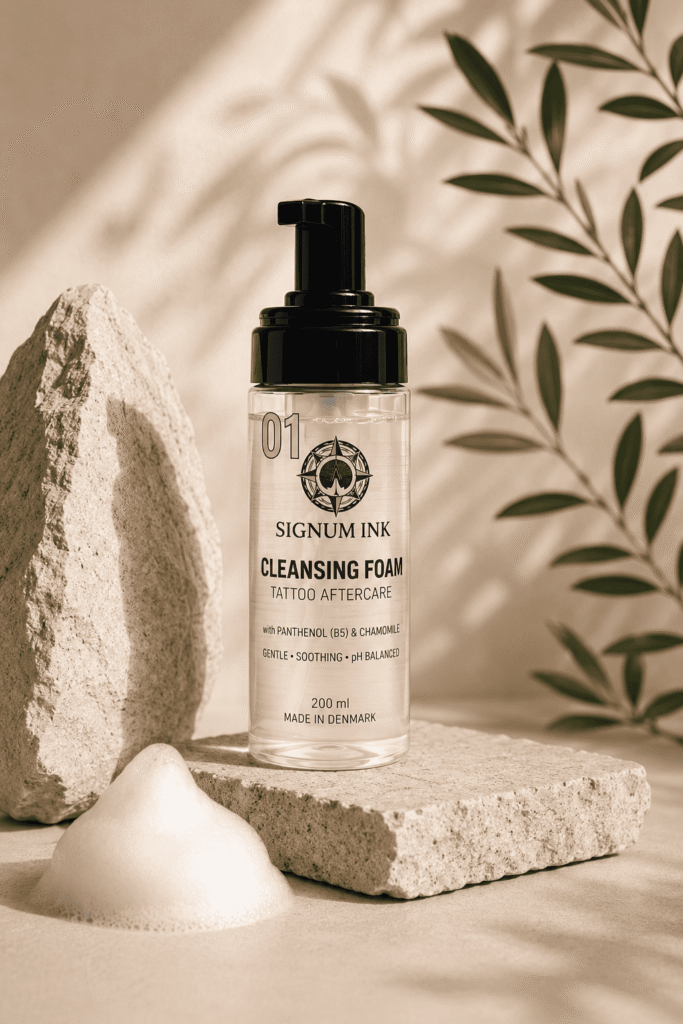
Centella Asiatica in Tattoo Schaumseife
Sanfte Reinigung wird bei der Tattooheilung oft unterschätzt.
Ein frisch tätowierter Bereich sollte regelmäßig gereinigt werden, um überschüssige Tinte, Plasma, Schweiß und Umweltschmutz zu entfernen und gleichzeitig unnötige Störungen der Hautbarriere zu minimieren.
Hier ist wo Tigerkraut kann zu einem modernen Tattoo-Reiniger beitragen.
Obwohl Schaumreiniger nur kurz auf der Haut verbleiben, helfen sorgfältig ausgewählte pflanzliche Inhaltsstoffe, das gesamte Reinigungserlebnis zu verbessern.
In Kombination mit milden Tensiden und feuchtigkeitsspendenden Inhaltsstoffen, Tigerkraut trägt zu Formulierungen bei, die die Haut sauber, angenehm und ausgeglichen hinterlassen und nicht trocken oder gespannt.
Für empfindliche Haut ist dieser Ansatz besonders wertvoll, da die tägliche Reinigung Teil der Genesungsroutine wird und nicht eine zusätzliche Reizquelle darstellt.
Was sagt die Forschung?
Unter den botanischen Hautpflegestoffen, Tigerkraut ist eine der am intensivsten erforschten.
Moderne kosmetische und dermatologische Studien haben sich auf die natürlich vorkommenden Verbindungen der Pflanze konzentriert – darunter Madecassosid, Asiaticosid, Madecassoside, und Asiatsäure—wegen ihrer Rolle bei der Unterstützung einer gesunden Haut.
Aktuelle Forschungsergebnisse deuten darauf hin, dass topische Tigerkraut Formulierungen können:
- Unterstützt die natürliche Hautbarriere.
- Verbessern Sie die Hydratation der äußeren Hautschichten.
- Hilft, den transepidermalen Wasserverlust (TEWL) zu reduzieren.
- Verbessern Sie den allgemeinen Hautkomfort.
- Unterstützt glattere und gesünder aussehende Haut.
- Ergänzen Sie hautbarrierefokussierte Hautpflegeroutinen.
Obwohl das genaue Ergebnis von der Konzentration und der vollständigen Formulierung abhängt, spricht die wissenschaftliche Evidenz dafür Tigerkraut gehört zu den stärksten verfügbaren Inhaltsstoffen für botanische Hautpflege.
Dies erklärt, warum es zunehmend in von der Dermatologie inspirierte Hautpflegeprodukte aufgenommen wird, die für empfindliche, geschädigte und umweltbelastete Haut entwickelt wurden.
Forschungsbericht
| Forschungsbereich | Beweis |
|---|---|
| Barriereunterstützung | ★★★★★ |
| Empfindliche Haut | ★★★★★ |
| Hautkomfort | ★★★★★ |
| Flüssigkeitszufuhr-Unterstützung | ★★★★☆ |
| Kosmetische Forschung | ★★★★★ |
| Tattoo-Nachsorge | ★★★☆☆ |
Direkte klinische Studien zur Tätowierungsheilung sind nach wie vor begrenzt. Die umfangreiche Forschung, die die Rolle von Centella Asiatica für die Hautbarrierefunktion und die Hydration unterstützt, macht sie jedoch für Formulierungen zur Tattoo-Nachsorge sehr relevant.
Centella Asiatica im Vergleich mit anderen beliebten Inhaltsstoffen
Jede moderne Hautpflegeformulierung kombiniert Inhaltsstoffe mit unterschiedlichen Stärken.
Professionelle Formulierer suchen selten nach einer einzigen “besten” Zutat. Stattdessen entwickeln sie Formulierungen, bei denen sich die Inhaltsstoffe gegenseitig unterstützen.
Centella Asiatica gegen Calendula
Beide Inhaltsstoffe stammen aus Pflanzen, aber sie nehmen unterschiedliche Stellungen in der modernen Hautpflege ein.
Ringelblume wird in erster Linie für sein botanisches Erbe und seine hautpflegenden Eigenschaften geschätzt.
Tigerkraut wird durch eine größere Menge moderner kosmetischer Forschung unterstützt, insbesondere im Hinblick auf die Unterstützung der Hautbarriere.
Viele Premium-Formulierungen enthalten beide Inhaltsstoffe, da sie sich gegenseitig ergänzen.
Centella Asiatica im Vergleich zu Beta-Glucan
Beide Inhaltsstoffe sind zu Favoriten in der Barrierepflege-Hautpflege geworden.
Beta-Glucan zeichnet sich besonders durch seine feuchtigkeitsspendenden Eigenschaften und die Unterstützung der Hautbarriere aus.
Tigerkraut trägt komplementäre pflanzliche Wirkstoffe bei, die den allgemeinen Hautzustand unterstützen.
Zusammen ergeben sie eine hochgradig ausgewogene Formulierung für empfindliche Haut.
Centella Asiatica vs. Panthenol
Panthenol gilt seit langem als einer der Goldstandards für Hydration und den Erhalt der Hautbarriere.
Tigerkraut ergänzt Panthenol, anstatt es zu ersetzen.
Professionelle Formulierungen enthalten häufig beide Inhaltsstoffe, da sie unterschiedliche Aspekte gesunder Haut unterstützen und gleichzeitig außergewöhnlich gut zusammenarbeiten.
Centella Asiatica vs. Ceramide
Obwohl beide Inhaltsstoffe mit einer auf die Hautbarriere ausgerichteten Hautpflege in Verbindung gebracht werden, funktionieren sie unterschiedlich.
Ceramide natürlich vorkommende Hautlipide, die dazu beitragen, die Hautbarriere zu stärken.
Tigerkraut ist ein botanischer Extrakt, der durch verschiedene biologische Wege zu einer gesünder aussehenden Haut beiträgt.
Anstatt zu konkurrieren, bieten sie komplementäre Vorteile und werden oft zusammen in fortschrittlichen Hautpflegeprodukten formuliert.
Warum Cica zu einem der größten Trends in der modernen Hautpflege geworden ist
Im letzten Jahrzehnt hat der Begriff “Cica-Hautpflege” ist immer häufiger geworden.
Dieser Trend spiegelt eine breitere Verschiebung in der Hautpflegeindustrie wider hin zu Produkten, die darauf ausgelegt sind, die Hautbarriere zu unterstützen, anstatt sich nur auf die Hydratation zu konzentrieren.
Verbraucher sind sich zunehmend bewusst geworden, dass eine gesunde Haut eine widerstandsfähige Barriere erfordert.
Weil Tigerkraut entspricht perfekt dieser Philosophie, ist es zu einer der definierenden botanischen Zutaten in der modernen koreanischen Hautpflege geworden und wurde seitdem von Premium-Hautpflegemarken weltweit übernommen.
Heute wird seine Beliebtheit nicht nur durch Tradition, sondern auch durch eine wachsende Zahl kosmetischer Forschung und jahrzehntelange erfolgreiche Formulierungs erfahrung vorangetrieben.
Häufig gestellte Fragen zu Centella Asiatica
Was ist Centella Asiatica?
Tigerkraut, oft als ... bezeichnet Cica, Gotu Kola, oder Tigras, ist ein pflanzlicher Inhaltsstoff, der in der modernen Hautpflege weit verbreitet ist. Er wird für seine natürlich vorkommenden bioaktiven Verbindungen und seine Rolle bei der Unterstützung der Hautbarriere, der Aufrechterhaltung der Hydration und der Verbesserung des allgemeinen Hautkomforts geschätzt.
Warum wird Centella Asiatica in der Tattoo-Nachsorge verwendet?
Frische Tätowierungen beeinträchtigen vorübergehend die Schutzbarriere der Haut.
Tigerkraut wird häufig in Tattoo-Pflegeprodukten verwendet, da es feuchtigkeitsspendende Inhaltsstoffe ergänzt und gleichzeitig die Hautbarrierefunktion sowie den allgemeinen Hautkomfort während des Heilungsprozesses unterstützt.
Ist Centella Asiatica für empfindliche Haut geeignet?
Ja.
Einer der Gründe Tigerkraut so beliebt geworden ist, ist seine hervorragende Verträglichkeit mit empfindlicher Haut.
Es wird häufig in Hautpflegeprodukten verwendet, die für empfindliche, reaktive oder umweltbelastete Haut entwickelt wurden.
Befeuchtet Centella Asiatica die Haut?
Nicht im traditionellen Sinne.
Im Gegensatz zu Glycerin, was Wasser in die äußeren Hautschichten zieht, Tigerkraut wird in erster Linie zur Unterstützung der Hautbarriere und zur Ergänzung feuchtigkeitsspendender Inhaltsstoffe in einer ausgewogenen Formulierung geschätzt.
Was unterscheidet Centella Asiatica von anderen pflanzlichen Inhaltsstoffen?
Im Gegensatz zu vielen Pflanzenextrakten, die sich hauptsächlich auf traditionelle Anwendungen stützen, Tigerkraut Gegenstand umfangreicher kosmetischer und dermatologischer Forschung gewesen.
Seine natürlich vorkommenden Verbindungen – einschließlich Madecassosid und Asiaticosid– haben wegen ihrer Wechselwirkung mit der Haut erhebliches wissenschaftliches Interesse geweckt.
Ist Centella Asiatica dasselbe wie Cica?
Ja.
“Cica” ist einfach der Name, den die Hautpflegeindustrie am häufigsten verwendet, wenn sie sich auf Tigerkraut oder daraus gewonnene Inhaltsstoffe.
Kann Centella Asiatica Ceramide oder Panthenol ersetzen?
Nein.
Jede Zutat unterstützt unterschiedliche Aspekte der Hautgesundheit.
Ceramide die Hautbarriere stärken.
Panthenol unterstützt die Hydration und die Barrierefunktion.
Tigerkraut ergänzt beide durch die Bereitstellung von Eigenschaften, die eine botanische Barriere unterstützen.
Professionelle Formulierungen beinhalten oft alle drei.
Kann Centella Asiatica jeden Tag verwendet werden?
Absolut.
Wegen seiner ausgezeichneten Hautverträglichkeit, Tigerkraut eignet sich für tägliche Hautpflegeroutinen und ist häufig in Feuchtigkeitscremes, Barrierecremes, Gesichts-Seren und Produkten zur Tattoo-Nachpflege enthalten.
Warum verwenden koreanische Hautpflegemarken so oft Centella Asiatica?
Barrierfokussierte Hautpflege ist zu einem bestimmenden Merkmal der koreanischen Hautpflege geworden.
Weil Tigerkraut passt perfekt zu dieser Philosophie, ist sie zu einer der am häufigsten verwendeten pflanzlichen Inhaltsstoffe in koreanischen Kosmetikformulierungen geworden.
Seine Popularität hat sich seitdem weltweit verbreitet.
Wird Centella Asiatica wissenschaftlich unterstützt?
Ja.
Unter den botanischen Hautpflegestoffen, Tigerkraut ist eine der am besten erforschten.
Obwohl weitere tattoo-spezifische Forschung noch notwendig ist, werden seine Vorteile für die Unterstützung der Hautbarriere und die Hydratation durch eine erhebliche Menge an kosmetischer und dermatologischer Literatur gestützt.
Gängige Mythen über Centella Asiatica
Mythos 1: Centella Asiatica ist nur ein weiterer Pflanzenextrakt.
Realität
Obwohl es eine pflanzliche Zutat ist, Tigerkraut ist einer der am besten erforschten Pflanzenextrakte, die in der modernen Hautpflege verwendet werden.
Mythos 2: Cica und Centella Asiatica sind unterschiedliche Inhaltsstoffe.
Realität
“Cica” ist einfach der Marketingname, der üblicherweise für Produkte verwendet wird, die Folgendes enthalten Tigerkraut oder dessen Wirkstoffe.
Mythos 3: Centella Asiatica ersetzt Feuchtigkeitscremes.
Realität
Professionelle Hautpflegeformulierungen verwenden Tigerkraut neben Feuchthaltemitteln, Emollienzien und barriereunterstützenden Inhaltsstoffen, anstatt sie zu ersetzen.
Mythos 4: Jedes Centella-Produkt wirkt gleich.
Realität
Die Qualität eines Produkts, das Centella enthält, hängt ab von:
- Extrahierte Standardisierung.
- Konzentration.
- Die Anwesenheit von Wirkstoffen wie Madecassosid.
- Gesamte Qualität der Formulierung.
Forschungsbericht
| Forschungsbereich | Beweis |
|---|---|
| Barriereunterstützung | ★★★★★ |
| Kosmetische Forschung | ★★★★★ |
| Empfindliche Haut | ★★★★★ |
| Hautkomfort | ★★★★★ |
| Flüssigkeitszufuhr-Unterstützung | ★★★★☆ |
| Tattoo-Nachsorge | ★★★☆☆ |
Die aktuellsten Beweise beziehen sich eher auf die Hautbarrierefunktion und empfindliche Haut als auf tätowierungsspezifische klinische Studien.
Evidenzniveau
| Beweisquelle | Stärke |
|---|---|
| Traditionelle Verwendung | ★★★★★ |
| Moderne Kosmetikforschung | ★★★★★ |
| Klinische Dermatologie | ★★★★☆ |
| Tattoo-spezifische Studien | ★★☆☆☆ |
Warum das wichtig ist:
Centella Asiatica ist einer der wenigen pflanzlichen Inhaltsstoffe, die sowohl durch jahrhundertelange traditionelle Anwendung als auch durch eine beträchtliche Menge moderner kosmetischer Forschung gestützt werden. Während studien zu Tattoos begrenzt sind, macht die vorhandene Evidenz zur Unterstützung der Hautbarriere sie für Tattoo-Nachsorgeformulierungen hochrelevant.
Wie es in einer Formel funktioniert
| Rolle | Funktion |
|---|---|
| Feuchthaltemittel | ❌ |
| Emollient | ⚪ Teilweise |
| Barriereunterstützung | ✅ Primär |
| Pflanzenextrakt | ✅ Primär |
| Hautpflege | ✅ Stark |
| Antioxidativer Schutz | ✅ Ergänzend |
Formulierungseinblick
Centella Asiatica ist selten der alleinige Inhaltsstoff, der für die Hydration verantwortlich ist. Stattdessen verbessert es Formulierungen mit Fokus auf die Hautbarriere, indem es Feuchthaltemittel wie Glycerin und barriereunterstützende Inhaltsstoffe wie Ceramide und Panthenol ergänzt.
Leistungsübersicht der Inhaltsstoffe
| Kategorie | Bewertung |
|---|---|
| Barriereunterstützung | ⭐⭐⭐⭐⭐ |
| Empfindliche Haut | ⭐⭐⭐⭐⭐ |
| Hautkomfort | ⭐⭐⭐⭐⭐ |
| Flüssigkeitszufuhr-Unterstützung | ⭐⭐⭐⭐☆ |
| Botanischer Wert | ⭐⭐⭐⭐⭐ |
| Täglicher Gebrauch | ⭐⭐⭐⭐⭐ |
| Wissenschaftliche Beweise | ⭐⭐⭐⭐⭐ |
Perspektive des Formulierers
Centella Asiatica repräsentiert die Weiterentwicklung der botanischen Hautpflege.
Während viele Pflanzenextrakte nach wie vor eng mit traditionellen Kräutertraditionen verbunden sind, hat sich Centella Asiatica zu einem der wissenschaftlich am meisten respektierten pflanzlichen Inhaltsstoffe in modernen kosmetischen Formulierungen entwickelt.
Erfahrene Formulierer verwenden es selten als alleinigen Inhaltsstoff. Stattdessen kombinieren sie es mit Panthenol, Ceramide, Glycerin, Beta-Glucan, und Allantoin um Formulierungen zu entwickeln, die die Hydratation unterstützen, die Hautbarriere stärken und den allgemeinen Hautkomfort verbessern.
Diese auf die Formulierung ausgerichtete Philosophie ist einer der Gründe, warum Centella Asiatica zu einem bestimmenden Inhaltsstoff in hochwertiger, auf die Hautbarriere fokussierter Hautpflege geworden ist.
Experten-Tipp
Barriereunterstützung ist für die Tattoo-Heilung genauso wichtig wie Flüssigkeitszufuhr.
Hydration hilft der Haut, Feuchtigkeit zu speichern, während eine gesunde Hautbarriere hilft, übermäßigen Wasserverlust zu verhindern und die Haut vor äußeren Belastungen zu schützen. Inhaltsstoffe wie Tigerkraut, Ceramide, Panthenol, und Beta-Glucan arbeiten zusammen, weil jeder ein anderes Stück zu diesem Prozess beisteuert.
Die stärksten Tattoo-Pflegeprodukte konzentrieren sich auf die vollständige Formulierung – nicht auf eine einzelne “Hauptzutat”.”
Zutatenurteil
| Kategorie | Bewertung |
|---|---|
| Gesamtbewertung | ⭐⭐⭐⭐⭐ |
| Am besten für | Barrierefokussierte Hautpflege, empfindliche Haut, frische Tattoos |
| Wissenschaftliche Zuversicht | Sehr hoch |
| Formulator-Empfehlung | Essentieller ergänzender pflanzlicher Inhaltsstoff |
| Funktioniert am besten mit | Ceramide, Panthenol, Glycerin, Beta-Glucan, Allantoin |
Abschließende Gedanken
Centella Asiatica hat sich seinen Ruf durch eine seltene Kombination aus Tradition und Wissenschaft verdient. Während seine Geschichte Jahrhunderte zurückreicht, wird sein Platz in der modernen Hautpflege durch eine wachsende Zahl kosmetischer und dermatologischer Forschungsergebnisse gestützt.
Anstatt als Wundermittel gefeiert zu werden, versteht man Centella Asiatica am besten als Teil einer breiteren Formulierungsstrategie. Es arbeitet mit Feuchthaltemitteln, barrierestärkenden Lipiden und hautpflegenden Inhaltsstoffen zusammen, um Produkte zu schaffen, die helfen, die Hydration aufrechtzuerhalten, die Hautbarriere zu stärken und den allgemeinen Hautkomfort zu verbessern.
Für die Tattoo-Nachsorge macht dies Centella Asiatica zu einem der wertvollsten pflanzlichen Inhaltsstoffe, die erhältlich sind. Seine Fähigkeit, sich nahtlos in moderne, auf die Hautbarriere ausgerichtete Formulierungen zu integrieren, erklärt, warum es zu einem Eckpfeiler von Premium-Hautpflegeprodukten für empfindliche und heilende Haut geworden ist.
Erweitere dein Wissen
Hier starten
- Glycerin – Feuchthaltemittel verstehen
- Panthenol (Vitamin B5) – Feuchtigkeit & Barriereunterstützung
Weiterlernen
- Beta-Glucan – Fortschrittliche Hautbarrieren-Wissenschaft
- Allantoin – Sanfte Hautpflege
- Ringelblume – Botanischer Hautkomfort
Fortgeschrittenes Lesen
- Ceramide – Die Grundlage der Hautbarriere
- Niacinamid – Ein Hautpflege-Inhaltsstoff mit vielen Vorteilen
- Wie die Hautbarriere funktioniert
- Die Heilungsphasen von Tätowierungen verstehen
 English
  German
  Dutch
Dutch  Danish
  Swedish
  French
  Italian