
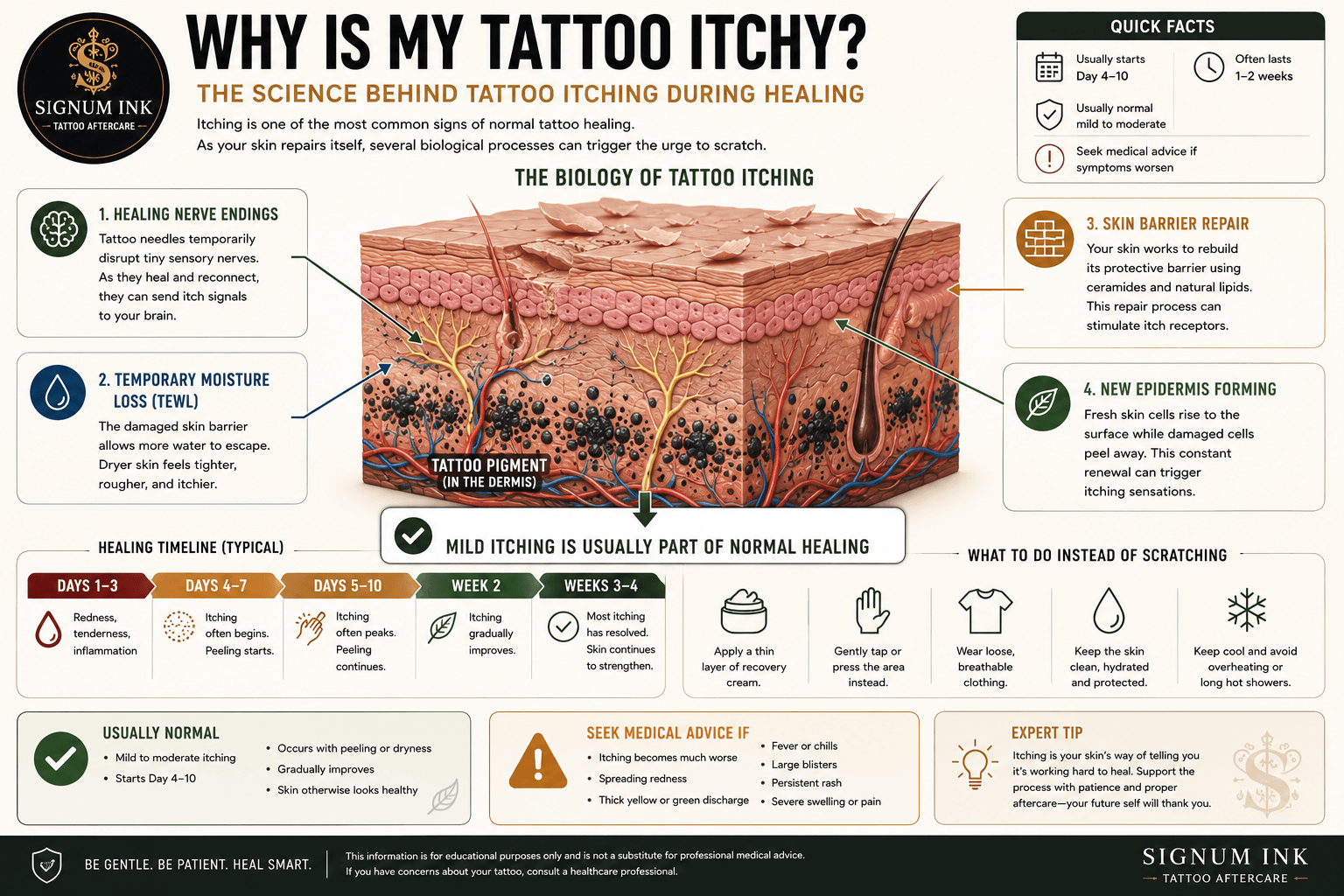
Wenige Teile der Tattooheilung sind so frustrierend wie der Juckreiz.
Eines Tages fühlt sich dein Tattoo leicht wund an.
Ein paar Tage später lässt der Schmerz nach, aber ein starker Juckreiz tritt plötzlich an seine Stelle.
Für viele Menschen ist dies die Phase, in der die Heilung am schwierigsten wird.
“Sollte mein Tattoo jucken?”
“Bedeutet Juckreiz, dass es heilt?”
“Verursacht Kratzen Schäden am Tattoo?”
Die gute Nachricht ist, dass Leichter bis mäßiger Juckreiz ist eines der häufigsten Anzeichen einer normalen Tätowierungsheilung.
Während sich Ihre Haut selbst repariert, finden unter der Oberfläche Millionen winziger biologischer Prozesse statt. Neue Hautzellen ersetzen geschädigtes Gewebe, die Hautbarriere wird wieder aufgebaut, Nervenenden erholen sich und der Feuchtigkeitsgehalt kehrt allmählich zur Normalität zurück.
Alle diese Veränderungen können die Nerven stimulieren, die für das Juckempfinden verantwortlich sind.
Obwohl Juckreiz normalerweise harmlos ist, ist das Verständnis Warum passiert das? erleichtert die Handhabung erheblich, ohne den Heilungsprozess zu beeinträchtigen.
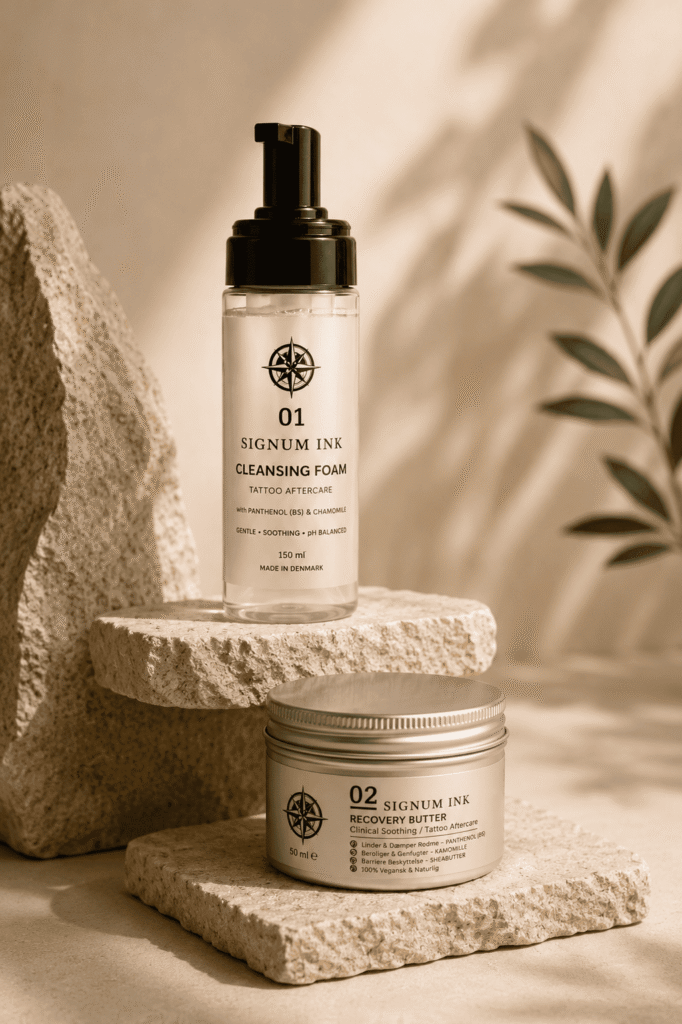
Kurze Antwort
Ist ein juckendes Tattoo normal?
Ja.
Die meisten Tattoos beginnen zu jucken zwischen Tage 4 und 10, oft zur gleichen Zeit, in der die Schälung beginnt.
Bei vielen Menschen bessert sich der Juckreiz in den folgenden ein bis zwei Wochen allmählich.
Kurz & Bündig
Häufigste Ursache
Normale Hautheilung.
Normalerweise beginnt
Tag 4–10.
Tritt häufig auf bei
- Peeling.
- Trockenheit.
- Milde Hautspannung.
Verbessert normalerweise
Innerhalb von 1–2 Wochen.
Ärztlichen Rat einholen, wenn
- Der Juckreiz wird zunehmend schlimmer, anstatt besser zu werden.
- Ein weit verbreiteter Ausschlag entwickelt sich.
- Dicker Ausfluss tritt auf.
- Fieber tritt auf.
- Rötung breitet sich erheblich über das Tattoo hinaus aus.
- Es entwickeln sich starke Schwellungen.
Warum juckt ein heilendes Tattoo?
Die einfache Antwort lautet:
Weil sich Ihre Haut neu aufbaut.
Tätowieren verursacht tausende mikroskopisch kleine Verletzungen in der Haut.
Während diese winzigen Wunden heilen, laufen mehrere biologische Prozesse gleichzeitig ab – und viele davon können Juckreiz auslösen.
Neue Haut bildet sich
Einer der Hauptgründe, warum Tattoos jucken, ist, dass die Die Epidermis ersetzt geschädigte Hautzellen.
Frische Haut bewegt sich allmählich zur Oberfläche, während ältere geschädigte Zellen beginnen abzufallen.
Diese ständige Bewegung stimuliert Nervenenden, die sich in der Haut befinden.
Das Ergebnis ist das bekannte Juckgefühl.
Die Hautbarriere erholt sich noch
Das Tattoo stört vorübergehend die schützende Hautbarriere.
In den ersten Tagen entweicht Wasser leichter aus der Haut.
Diese Zunahme an Transepidermaler Wasserverlust (TEWL) verursacht, dass sich das Tattoo anfühlt:
- Eng.
- Trocken.
- Leicht rau.
Trockene Haut neigt von Natur aus mehr zum Juckreiz als gut mit Feuchtigkeit versorgte Haut.
Die Unterstützung der Hautbarriere mit angemessener Feuchtigkeitszufuhr trägt zur Verbesserung des Komforts bei, während die Heilung fortschreitet.
Nervenenden heilen
Tätowiernadeln durchdringen Bereiche, die Tausende von winzigen sensorischen Nervenenden enthalten.
Obwohl diese Nerven nicht dauerhaft geschädigt sind, erfahren sie während des Tätowierens eine vorübergehende Störung.
Wenn sie sich erholen, können sie Signale aussenden, die dein Gehirn als Jucken interpretiert.
Das ähnelt dem Juckreiz, der oft auftritt, während andere kleinere Hautverletzungen heilen.
Die Entzündung lässt allmählich nach
In den ersten Tagen nach dem Tätowieren dominiert die Entzündung den Heilungsprozess.
Wenn die Entzündung zu heilen beginnt, koordinieren chemische Botenstoffe, die von Immunzellen freigesetzt werden, weiterhin die Gewebereparatur.
Einige dieser Signalmoleküle können spezielle Juckrezeptoren in der Haut stimulieren.
Mit anderen Worten, Juckreiz ist oft ein Zeichen dafür, dass die Heilung fortschreitet – und nicht, dass etwas schiefgelaufen ist.
Warum verschlimmert Kratzen den Juckreiz?
Die Juckphase überlappt sich oft mit der Schuppenbildung.
Das ist kein Zufall.
Wenn sich abgestorbene Oberflächenzellen von der Haut lösen:
- Die Barriere ist noch unvollständig.
- Die Feuchtigkeitswerte schwanken.
- Neue epidermale Zellen reifen weiter.
- Nervenenden bleiben hoch reaktionsfähig.
Zusammen machen diese Veränderungen das Schälen zu einer der juckendsten Phasen der Tattooheilung.
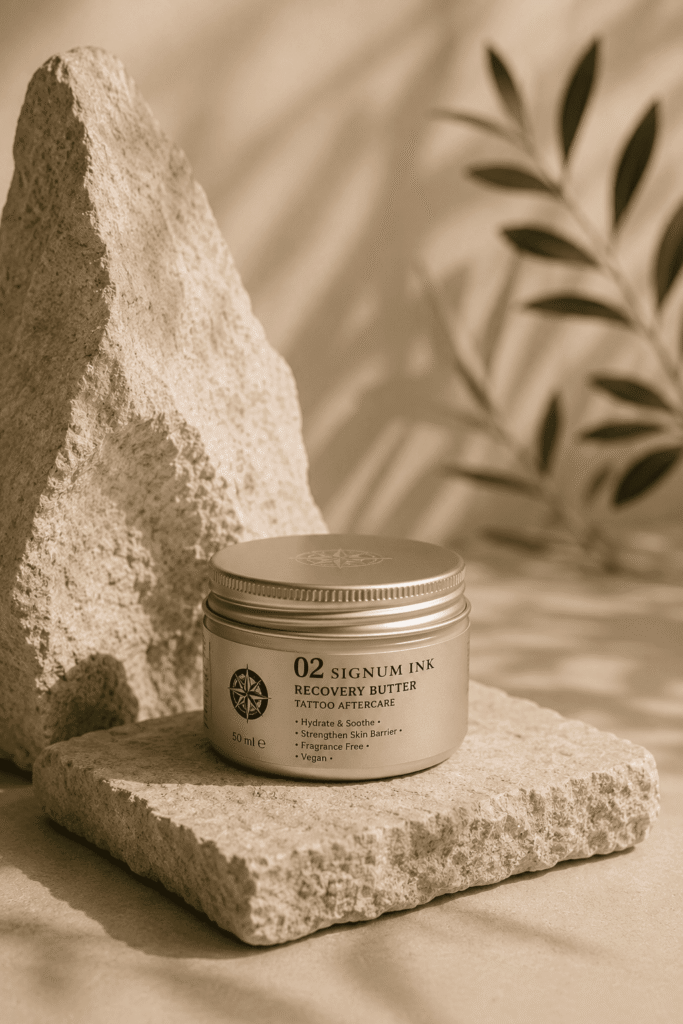
Warum verschiedene Tätowierungen unterschiedlich jucken
Nicht jedes Tattoo verursacht gleich viel Juckreiz.
Mehrere Faktoren beeinflussen das Erlebnis.
Tattoo-Größe
Größere Tätowierungen beinhalten mehr heilendes Gewebe.
Mehr Heilung bedeutet oft, dass mehr Juckrezeptoren aktiv werden.
Tattoo-Standort
Bereiche, die ständiger Bewegung oder Reibung ausgesetzt sind – wie Rippen, Ellbogen, Knie, Knöchel oder Füße – können intensiver jucken.
Trockene Haut
Menschen mit natürlich trockener Haut leiden oft häufiger unter Juckreiz, da ihre Hautbarriere leichter Feuchtigkeit verliert.
Individuelle Heilungsreaktion
Jedes Immunsystem reagiert etwas anders.
Manche Menschen verspüren nur ein leichtes Jucken, während andere deutlich stärkere Empfindungen bemerken, obwohl die Heilung völlig normal verläuft.
Unterstützung für eine angenehme Heilung
Das Ziel ist nicht, den Juckreiz vollständig zu beseitigen.
Konzentrieren Sie sich stattdessen darauf, gesunde Haut bei der Heilung zu unterstützen.
Hilfreiche Gewohnheiten sind:
- Sanft mit einem milden Reinigungsmittel waschen.
- Eine dünne Schicht Wiederherstellungscreme auftragen.
- Vermeiden von Kratzern.
- Lockere Kleidung tragen.
- Das Tattoo sauber halten.
Ausreichendes Trinken hilft, den Hautkomfort zu verbessern und ermöglicht der Hautbarriere, sich natürlich zu regenerieren.
Warum du niemals ein heilendes Tattoo kratzen solltest
Fast jeder verspürt den Drang, ein juckendes Tattoo zu kratzen.
Leider kann Kratzen den Heilungsprozess beeinträchtigen.
Obwohl das Tattoo an der Oberfläche recht normal aussehen mag, repariert sich die Haut darunter immer noch.
Kratzen kann:
- Schädigt neu gebildete epidermale Zellen.
- Vorzeitig schälende Haut entfernen.
- Reizung verstärken.
- Stellen Sie Bakterien von Ihren Fingernägeln vor.
- Verzögere normale Heilung.
Anstatt zu kratzen, konzentriere dich darauf, die Haut zu unterstützen, während der Juckreiz allmählich von selbst nachlässt.
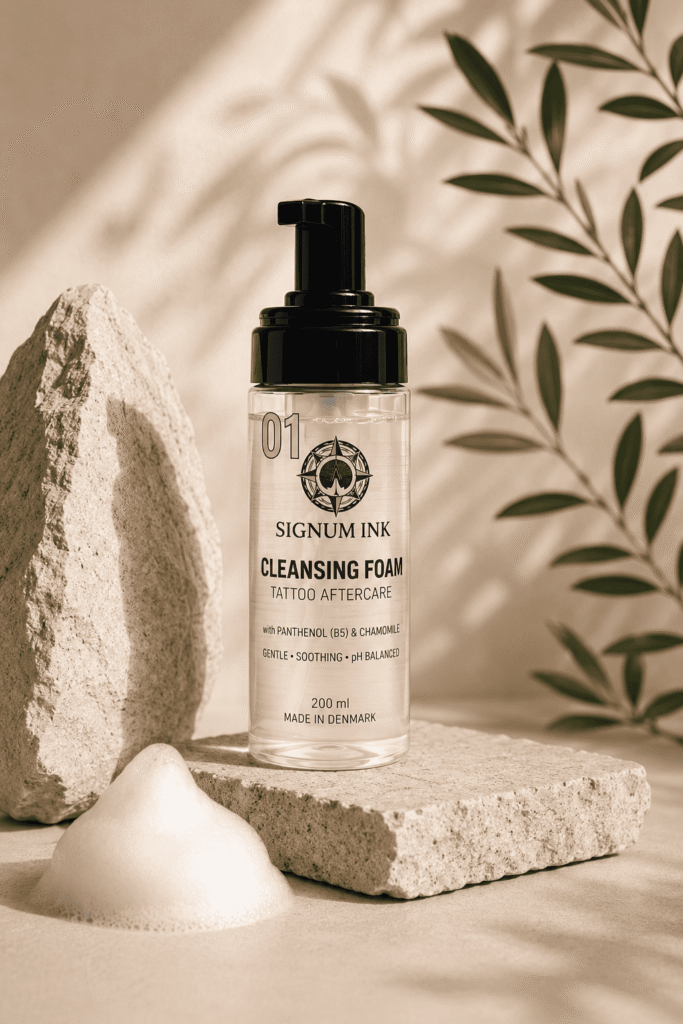
Tattoo-Jucken im Vergleich zur normalen Heilung
Das meiste Tattoo-Jucken folgt einem vorhersehbaren Muster.
Normales Tattoo-Jucken
Beinhaltet normalerweise:
- Leichter bis mittelschwerer Juckreiz.
- Beginnt etwa zwischen Tag 4 und Tag 10.
- Tritt häufig zusammen mit Schuppung auf.
- Verbessert sich allmählich.
- Keine starken Schmerzen.
- Haut erscheint ansonsten gesund.
Für die meisten Menschen gehört dieser Juckreiz einfach zur normalen Hauterneuerung dazu.
Tattoo-Jucken vs. allergische Reaktion
Gelegentlich wird Juckreiz durch etwas anderes als normale Heilung verursacht.
Eine allergische Reaktion kann unterschiedlich aussehen.
Mögliche Funktionen umfassen:
- Anhaltender Juckreiz, der wochenlang anhält.
- Erhabene Beulen.
- Ausgedehnter Hautausschlag.
- Schwellung, die über das Tattoo hinausgeht.
- Symptome, die lange nach der initialen Abheilung des Tattoos auftreten.
Einige allergische Reaktionen hängen mit Tätowierungspigmenten zusammen, während andere durch Hautpflegeprodukte oder Klebstoffe ausgelöst werden können.
Da allergische Reaktionen erheblich variieren können, sollten anhaltende oder sich verschlimmernde Symptome von einer medizinischen Fachkraft abgeklärt werden.
Tattoo-Juckreiz vs. Infektion
Infektion ist ein weiteres Problem, das Menschen häufig mit Juckreiz in Verbindung bringen.
Jedoch, Juckreiz allein ist kein typisches Zeichen für eine Infektion.
Zu den bedenklicheren Merkmalen gehören:
- Schnell ausbreitende Rötung.
- Zunehmende Schmerzen.
- Dicker gelber oder grüner Ausfluss.
- Fieber oder Schüttelfrost.
- Erhebliche Schwellung.
- Rote Streifen, die sich vom Tattoo weg erstrecken.
Wenn diese Symptome auftreten, suchen Sie umgehend ärztlichen Rat auf.
Wie lange hält der Juckreiz bei einem Tattoo an?
Der genaue Zeitplan variiert von Person zu Person.
Für viele Menschen folgt Juckreiz einem Muster, das diesem ähnelt:
| Zeit nach der Tätowierung | Was normalerweise passiert |
|---|---|
| Tage 1–3 | Rötung und Schmerzhaftigkeit |
| Tage 4–7 | Juckreiz beginnt oft |
| Tage 5–10 | Schälen und Jucken überschneiden sich |
| Woche 2 | Juckreiz lässt allmählich nach |
| Wochen 3–4 | Der größte Teil des Juckreizes ist abgeklungen. |
Größere Tattoos und Personen mit von Natur aus trockener Haut können etwas länger einen leichten Juckreiz verspüren.
Was sagt die Forschung?
Wissenschaftliche Untersuchungen zur Wundheilung zeigen, dass Juckreiz ein häufiges Merkmal der Hautreparatur ist.
Mehrere biologische Mechanismen tragen dazu bei, darunter:
- Regeneration der Epidermis.
- Regeneration von sensorischen Nervenendigungen.
- Veränderungen der entzündlichen Signalübertragung.
- Vorübergehende Störung der Hautbarriere.
- Erhöhter transepidermaler Wasserverlust (TEWL).
Anstatt auf ein Problem hinzuweisen, spiegeln diese Veränderungen meist den natürlichen Heilungsprozess des Körpers wider.
Warum Hydratation hilft
Einer der Gründe, warum Juckreiz deutlicher spürbar wird, ist, dass die heilende Haut vorübergehend leichter Feuchtigkeit verliert.
Die Unterstützung der Flüssigkeitszufuhr trägt zur Erhaltung bei von:
- Hautelastizität.
- Barrierefunktion.
- Gesamtkomfort.
Die moderne Tattoo-Nachsorge konzentriert sich daher auf die Aufrechterhaltung einer ausgewogenen Feuchtigkeitsversorgung, anstatt die Haut übermäßig austrocknen zu lassen.
Häufig verwendete Zutaten sind:
- Glycerin.
- Betain.
- Ceramide.
- Panthenol.
- Squalane.
Jeder leistet einen anderen Beitrag zur Unterstützung der sich erholenden Hautbarriere.
Häufige Fehler, die den Juckreiz eines Tattoos verschlimmern
Viele Menschen verstärken den Juckreiz während der Heilung unlabsichtlich.
Gängige Beispiele sind:
Kratzen
Der größte Fehler.
Kratzen kann heilende Haut schädigen und Reizungen verlängern.
Abpuhlen von Haut
Das Entfernen lose sitzender Schuppen, bevor sie sich von Natur aus ablösen, legt zarte neue Haut frei.
Übermäßiges Waschen
Zu häufiges Waschen kann die Haut austrocknen und den Juckreiz verschlimmern.
Aggressive Reinigungsmittel
Starke Seifen können die sich erholende Hautbarriere stören.
Wählen Sie nach Möglichkeit einen sanften, duftstofffreien Reiniger.
Sehr heiße Duschen
Heißes Wasser kann die Durchblutung vorübergehend steigern und den Juckreiz intensiver erscheinen lassen.
Lauwarmes Wasser ist während der Heilung meist angenehmer.
Enge Kleidung
Wiederholte Reibung durch Kleidung kann heilende Haut reizen und den Juckreiz verschlimmern.
Lockere, atmungsaktive Stoffe sind im Allgemeinen bequemer.
Was kann man anstelle des Kratzens tun?
Wenn der Drang zu kratzen stark wird, versuchen Sie sicherere Alternativen.
Tragen Sie eine dünne Schicht Wiederherstellungskrems auf, wenn sich die Haut trocken anfühlt.
✔ Klopfen Sie stattdessen sanft auf die Haut, anstatt zu kratzen.
✔ Halten Sie das Tattoo kühl und vermeiden Sie eine Überhitzung.
✔ Tragen Sie weiche, atmungsaktive Kleidung.
✔ Halten Sie die Fingernägel kurz, um versehentliche Verletzungen zu reduzieren.
Denken Sie daran, dass Juckreiz vorübergehend ist – aber Kratzer bleibende Folgen hinterlassen können.
Forschungsbericht
| Forschungsbereich | Beweis |
|---|---|
| Wundheilungsjucken | ★★★★★ |
| Hautbarrierefunktion | ★★★★★ |
| Epidermale Regeneration | ★★★★★ |
| Nervenregeneration | ★★★★☆ |
| Tattoo-Nachsorge | ★★★★☆ |
| Tattoospezifische Juckreizstudien | ★★★☆☆ |
Häufig gestellte Fragen zu juckenden Tattoos
Ist Juckreiz ein Zeichen dafür, dass mein Tattoo verheilt?
In den meisten Fällen ja.
Leichter Juckreiz ist eines der häufigsten Stadien der Tätowierungsheilung. Während Ihre Haut beschädigte Zellen ersetzt, die Hautbarriere wiederaufbaut und winzige Nervenenden repariert, wird der Juckreiz oft deutlicher spürbar.
Obwohl es frustrierend sein kann, ist leichter Juckreiz meist ein Zeichen dafür, dass die Heilung voranschreitet.
Wie lange wird mein Tattoo jucken?
Die meisten Tattoos beginnen zu jucken zwischen Tage 4 und 10.
Bei vielen Menschen lässt der Juckreiz im Laufe der folgenden ein bis zwei Wochen allmählich nach.
Größere Tattoos oder von Natur aus trockene Haut können noch etwas länger leicht jucken.
Kann Kratzen mein Tattoo ruinieren?
Möglicherweise, ja.
Kratzen kann:
- Empfindliche neue Haut verletzen.
- Die sich schälende Haut zu früh entfernen.
- Verursacht Blutungen.
- Reizung verstärken.
- Stellen Sie Bakterien von Ihren Fingernägeln vor.
Während eine gelegentliche leichte Berührung ein Tattoo wahrscheinlich nicht ruiniert, kann wiederholtes Kratzen die normale Heilung beeinträchtigen.
Warum juckt mein Tattoo nachts mehr?
Viele Menschen bemerken am Abend einen verstärkten Juckreiz.
Mehrere Faktoren können dazu beitragen:
- Die Körpertemperatur steigt während des Schlafens natürlicherweise leicht an.
- Weniger Ablenkungen machen Sie sich der Empfindung bewusster.
- Trockene Haut fühlt sich nachts oft juckender an.
Das Kühlhalten des Raumes und das Auftragen einer dünnen Schicht Feuchtigkeitscreme vor dem Schlafengehen können den Komfort verbessern.
Kann ein abgeheiltes Tattoo Monate oder Jahre später jucken?
Manchmal.
Selbst vollständig verheilte Tattoos können gelegentlich jucken aufgrund von:
- Trockene Haut.
- Saisonale Wetteränderungen.
- Sonnenbestrahlung.
- Hautirritation.
- Bestimmte entzündliche Hauterkrankungen.
Gelegentlicher leichter Juckreiz ist nicht ungewöhnlich.
Jedoch sollte anhaltender Juckreiz, der mit Schwellungen, Ausschlag oder Hautveränderungen einhergeht, von einer medizinischen Fachkraft untersucht werden.
Warum juckt nur ein Teil meines Tattoos?
Verschiedene Bereiche des Tattoos können in leicht unterschiedlicher Geschwindigkeit abheilen.
Gebiete mit:
- Starke Schattierung.
- Mehr Nadelstiche.
- Größere Bewegung.
- Erhöhte Reibung.
kann stärker als die umgebende Haut jucken.
Kann eine Feuchtigkeitscreme den Juckreiz vollständig stoppen?
Nicht unbedingt.
Eine Aufbaucreme hilft, die Feuchtigkeitsversorgung aufrechtzuerhalten und unterstützt die Hautbarriere, was trocknisheitsbedingte Beschwerden lindern kann.
Es kann jedoch die biologischen Heilungsprozesse, die von Natur aus Juckreiz verursachen, nicht vollständig stoppen.
Ist es in Ordnung, auf mein Tattoo zu klopfen, anstatt zu kratzen?
Ja.
Viele Tätowierer empfehlen, anstelle des Kratzens leicht auf die juckende Stelle zu klopfen oder sie sanft zu drücken.
Dies kann das Gefühl vorübergehend verringern, ohne die heilende Haut zu schädigen.
Sollte ich ein juckendes Tattoo abdecken?
Sofern Ihr Tätowierer oder eine medizinische Fachkraft nichts anderes empfohlen hat, müssen die meisten abheilenden Tattoos nicht mehr abgedeckt werden, nachdem der erste Verband entfernt wurde.
Es reicht in der Regel aus, die Haut atmen zu lassen und sie gleichzeitig vor unnötiger Reibung zu schützen.
Wann sollte ich ärztlichen Rat einholen?
Suchen Sie umgehend einen Arzt auf, wenn der Juckreiz von folgenden Symptomen begleitet wird:
- Schnell ausbreitende Rötung.
- Zunehmende Schmerzen.
- Dicker gelber oder grüner Ausfluss.
- Fieber oder Schüttelfrost.
- Erhebliche Schwellung.
- Anhaltender Hautausschlag.
- Große Blasen.
- Symptome, die sich anstatt zu verbessern weiter verschlimmern.
Diese Symptome sind nicht typisch für eine unkomplizierte Tattooheilung und sollte von einer medizinischen Fachkraft untersucht werden.
Häufige Mythen über juckende Tattoos
Mythos 1: Wenn Ihr Tattoo juckt, stimmt etwas nicht.
Realität
Juckreiz ist eines der häufigsten und erwarteten Stadien der normalen Tätowierungsheilung.
Mythos 2: Leichtes Kratzen schadet nicht.
Realität
Selbst sanftes Kratzen kann empfindliche neue Haut stören oder abpeltende Schuppen entfernen, bevor sie sich auf natürliche Weise ablösen können.
Mythos 3: Das Austrocknen des Tattoos stoppt den Juckreiz.
Realität
Übermäßige Trockenheit verschlimmert oft den Juckreiz.
Eine gesunde Heilung hängt davon ab, ein ausgewogenes Maß an Feuchtigkeit aufrechtzuerhalten – die Haut darf weder zu trocken noch zu stark okkludiert werden.
Mythos 4: Sobald das Schälen aufhört, sollte der Juckreiz sofort verschwinden.
Realität
Nervenenden und tiefe Hautschichten regenerieren sich nach Abschluss des oberflächlichen Peelings weiter.
Ein leichter Juckreiz kann noch einige Wochen anhalten.
Heilungsverlauf
| Zeit nach der Tätowierung | Typische Änderungen |
|---|---|
| Tag 1 | Rötung und Schmerzhaftigkeit |
| Tage 2–3 | Spannungsgefühl und Trockenheit |
| Tage 4–7 | Das Schälen beginnt, oft setzt Juckreiz ein |
| Tage 5–10 | Juckreiz erreicht normalerweise seinen Höhepunkt |
| Woche 2 | Juckreiz lässt allmählich nach |
| Wochen 3–4 | Die Meisten Juckreize haben nachgelassen |
| Wochen 6–8 | Die tiefere Hauterneuerung schreitet weiter voran |
Forschungsbericht
| Forschungsbereich | Beweis |
|---|---|
| Wundheilungsjucken | ★★★★★ |
| Hautbarriere-Regeneration | ★★★★★ |
| Epidermale Regeneration | ★★★★★ |
| Nervenreparatur | ★★★★☆ |
| Tattoo-Nachsorge | ★★★★☆ |
| Tattoospezifische Juckreizstudien | ★★★☆☆ |
Experten-Tipp
Versuchen Sie, Juckreiz als Zeichen von Aktivität zu betrachten – nicht als Schädigung.
Während dieser Phase baut Ihre Haut ihre Barriere wieder auf, ersetzt geschädigte Zellen und repariert mikroskopisch kleine Nervenendungen. Das Gefühl kann unangenehm sein, ist jedoch oft Teil des normalen Heilungsprozesses des Körpers. Ihre Haut zu unterstützen ist weitaus effektiver, als gegen den Juckreiz anzukämpfen.
Anzeichen dafür, dass Ihr Tattoo normal juckt
✅ Leichter bis mäßiger Juckreiz.
✅ Abschuppung oder Abblättern.
✅ Rötung bessert sich allmählich.
✅ Die Haut fühlt sich leicht trocken oder andauernd an.
✅ Das Tattoo wirkt ansonsten gesund.
Anzeichen, die eine ärztliche Untersuchung erfordern
⚠️ Rasch verschlimmernder Juckreiz.
⚠️ Sich ausbreitende Rötung.
⚠️ Dickflüssiger gelber oder grüner Ausfluss.
Fieber oder Schüttelfrost.
⚠️ Große Blasen.
⚠️ Anhaltender Ausschlag.
⚠️ Zunehmende Schwellung.
⚠️ Starke Schmerzen.
Diese Symptome Keine Infektion oder allergische Reaktion automatisch anzeigen, sind aber nicht typisch für eine unkomplizierte Heilung und sollten von einer medizinischen Fachkraft untersucht werden.
Warum moderne Tattoo-Nachsorge die Hautbarriere unterstützt
Juckreiz fällt oft stärker auf, weil sich die Hautbarriere noch erholt.
Anstatt zu versuchen, den Heilungsprozess zu unterdrücken, zielt die moderne Nachsorge darauf ab, die bestmöglichen Bedingungen für die Genesung zu schaffen.
Eine ausgleichende Aufbaucreme kann Inhaltsstoffe mit sich ergänzenden Funktionen kombinieren:
| Funktion | Beispiel für eine Zutat |
|---|---|
| Zieht Feuchtigkeit an | Glycerin |
| Unterstützt die zelluläre Hydration | Betain |
| Verstärkt die Barriere | Ceramide |
| Unterstützt die Barrierefunktion | Niacinamid |
| Hautpflege | Panthenol |
| Leichtes Emoiollient | Squalane |
| Verbessert die Streichfähigkeit | Capryl-Capric-Triglyceride |
| Hautberuhigende Unterstützung | Allantoin |
| Pflanzliche Unterstützung | Madecassosid |
| Antioxidativer Schutz | Vitamin E |
Jeder Inhaltsstoff unterstützt einen anderen Aspekt der Hautregeneration und trägt dazu bei, Feuchtigkeit und Wohlbefinden zu bewahren, während die Haut auf natürliche Weise heilt.
Abschließende Gedanken
Ein juckendes Tattoo kann deine Geduld auf eine Probe stellen wie fast keine andere Phase der Heilung. Glücklicherweise ist Juckreiz in den meisten Fällen kein Warnsignal – er ist ein Spiegelbild der bemerkenswerten biologischen Arbeit, die unter der Oberfläche stattfindet.
Während neue Haut die alte ersetzt, sich die Nervenenden erholen und die Hautbarriere wiederaufbaut, ist vorübergehender Juckreiz oft ein zu erwartender Teil des Prozesses. Das Verständnis dieser Abläufe macht es leichter, dem Kratzen zu widerstehen und sich stattdessen darauf zu konzentrieren, Ihre Haut durch sanfte Reinigung, geeignete Feuchtigkeitspflege und Geduld zu unterstützen.
Vor allem solltest du bedenken, dass der Heilungsprozess ein Weg und kein einzelnes Ereignis ist. Die Beschwerden von heute sind meist vorübergehend, während das Kunstwerk, das deine Haut schützt, ein Leben lang halten kann.
 English
  German
  Dutch
Dutch  Danish
  Swedish
  French
  Italian