
Introduction
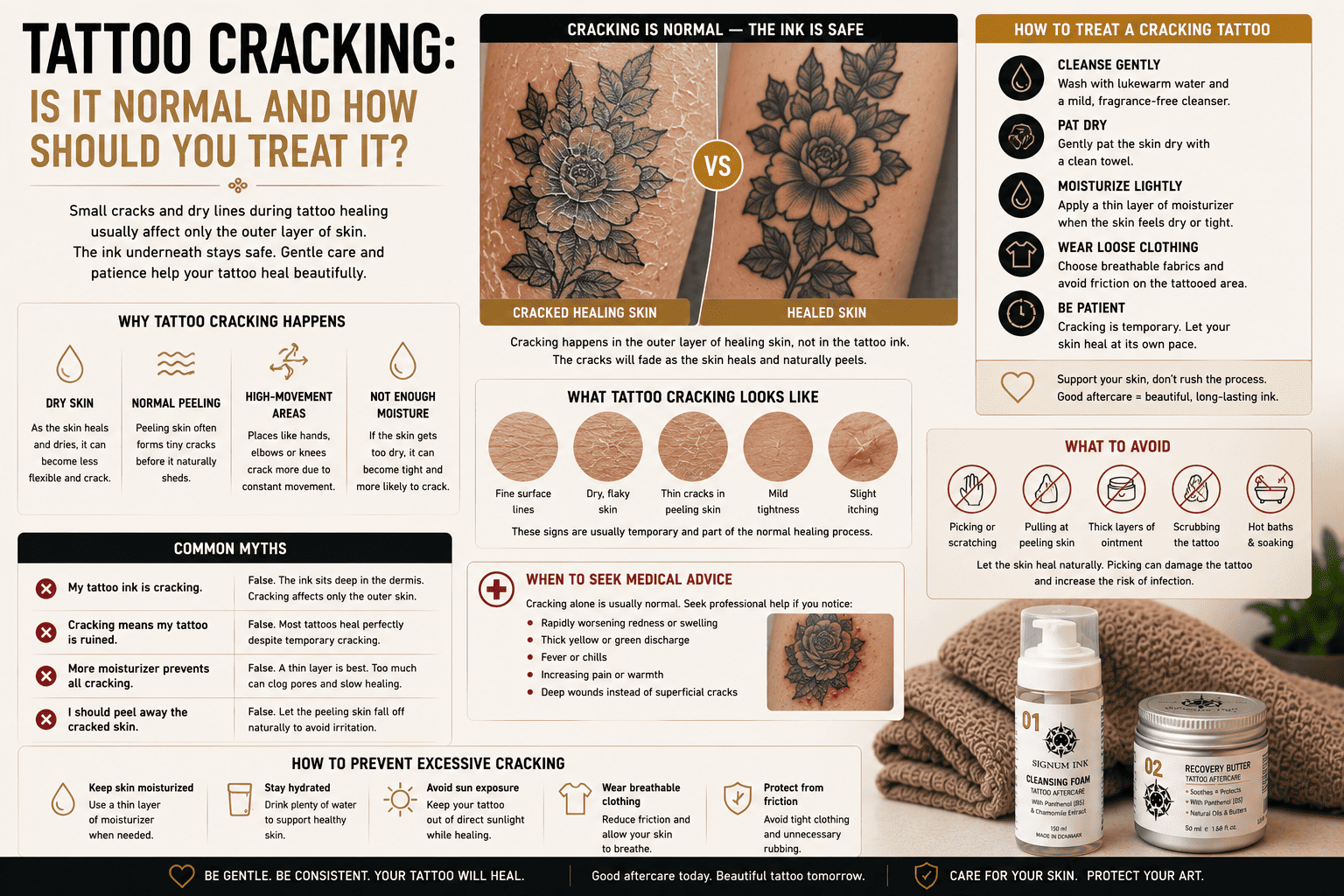
A few days after getting a tattoo, your skin starts to feel tight.
As it dries, small lines or cracks begin appearing across the surface.
Many people panic when they first notice this change.
Has the tattoo itself cracked?
Will the ink fall out?
In almost every case, the answer is no.
What you’re seeing is usually the outer layer of healing skin becoming dry and beginning to peel—not the tattoo pigment breaking apart.
Understanding why tattoo cracking happens can help you care for your skin correctly and avoid unnecessary damage during healing.
What Is Tattoo Cracking?
Tattoo cracking refers to small visible splits or cracks that appear in the dry outer layer of healing skin.
The tattoo beneath remains in the dermis.
The cracking usually affects only the temporary layer of dead skin that is preparing to shed naturally.
This is why tattoo cracking is commonly seen alongside:
- Peeling.
- Dryness.
- Tightness.
- Mild itching.
These changes are often expected during the second stage of tattoo healing.
Why Does Tattoo Cracking Happen?
Your tattoo is healing in much the same way as a superficial wound.
As new skin develops underneath, the damaged outer layer gradually dries and begins separating from healthy skin.
When this dry layer stretches with everyday movement, small surface cracks can appear.
This is usually a normal part of the healing process.
Common Causes of Tattoo Cracking
Dry Skin
The most common cause is simple dryness.
As moisture leaves the outer skin, it becomes less flexible and may crack slightly before peeling away.
Normal Peeling
Peeling skin often develops tiny surface cracks before it separates naturally.
This is one of the body’s normal healing mechanisms.
High-Movement Areas
Tattoos located on:
- Hands.
- Fingers.
- Knuckles.
- Elbows.
- Knees.
- Feet.
are constantly moving.
This movement may make superficial cracking more noticeable.
Not Moisturizing Enough
Allowing the tattoo to become excessively dry can increase tightness and make the outer skin more likely to crack.
A thin layer of moisturizer can help maintain skin comfort without overhydrating the tattoo.
What Does Tattoo Cracking Look Like?
Typical features include:
- Fine surface lines.
- Dry flakes.
- Thin cracks in peeling skin.
- Mild tightness.
- Slight itching.
Importantly, the tattoo pigment itself usually remains unaffected.
The cracking is occurring in the outer healing skin—not in the ink beneath it.
Tattoo Cracking vs. Infection
Cracking alone isn’t usually a sign of infection.
Normal tattoo cracking often occurs together with:
- Dry skin.
- Peeling.
- Mild itching.
Signs that may indicate a different problem include:
- Increasing redness.
- Severe swelling.
- Thick yellow or green discharge.
- Fever.
- Rapidly worsening pain.
Looking at the overall pattern of symptoms is much more useful than focusing on the cracks themselves.
Should You Worry?
In most cases, no.
Tattoo cracking is a temporary stage of healing.
Although it may look dramatic, it often resolves naturally as the outer skin finishes peeling away.
Patience and gentle aftercare are usually all that’s required.
Don’t Confuse Cracking with Damage
Many people worry that visible cracks mean the tattoo itself has been damaged.
Fortunately, that’s rarely the case.
The permanent pigment sits much deeper within the skin.
As long as you avoid picking, scratching or tearing away peeling skin, the tattoo is usually well protected while the outer layer heals.
How Should You Treat a Cracking Tattoo?
The best approach is to support your skin while allowing it to heal naturally.
Continue to:
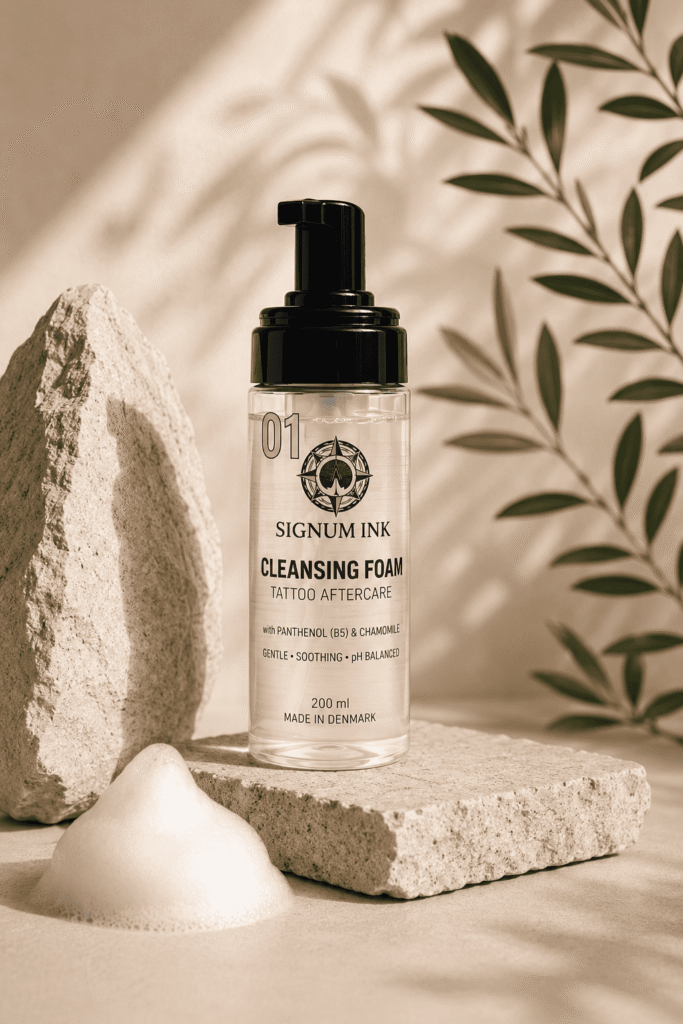
- Wash the tattoo gently with lukewarm water and a mild cleanser.
- Pat the area dry with a clean towel.
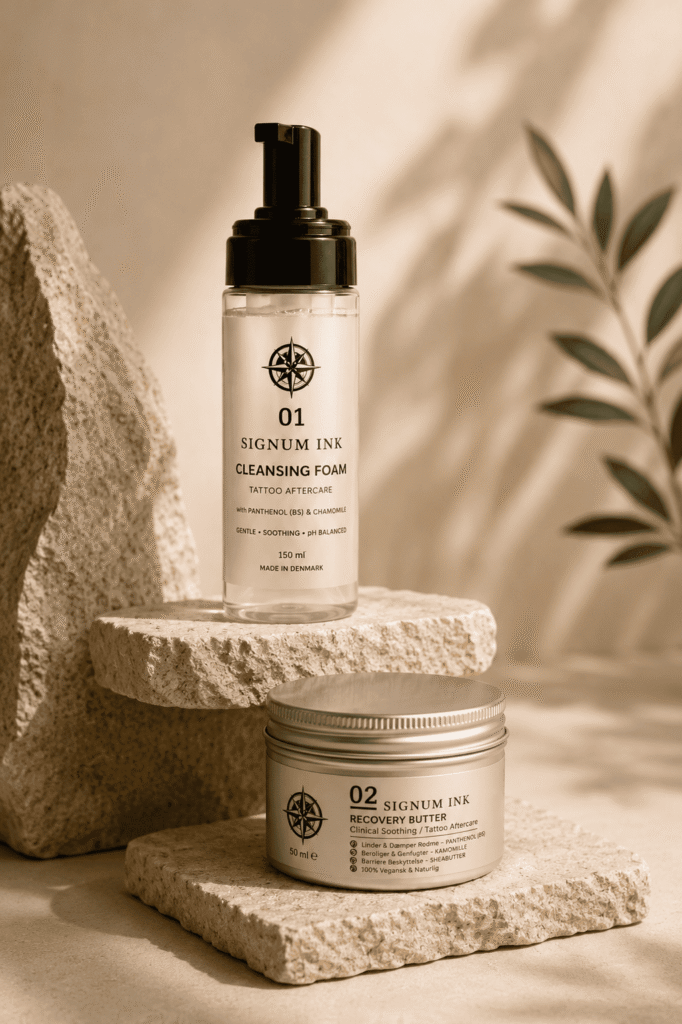
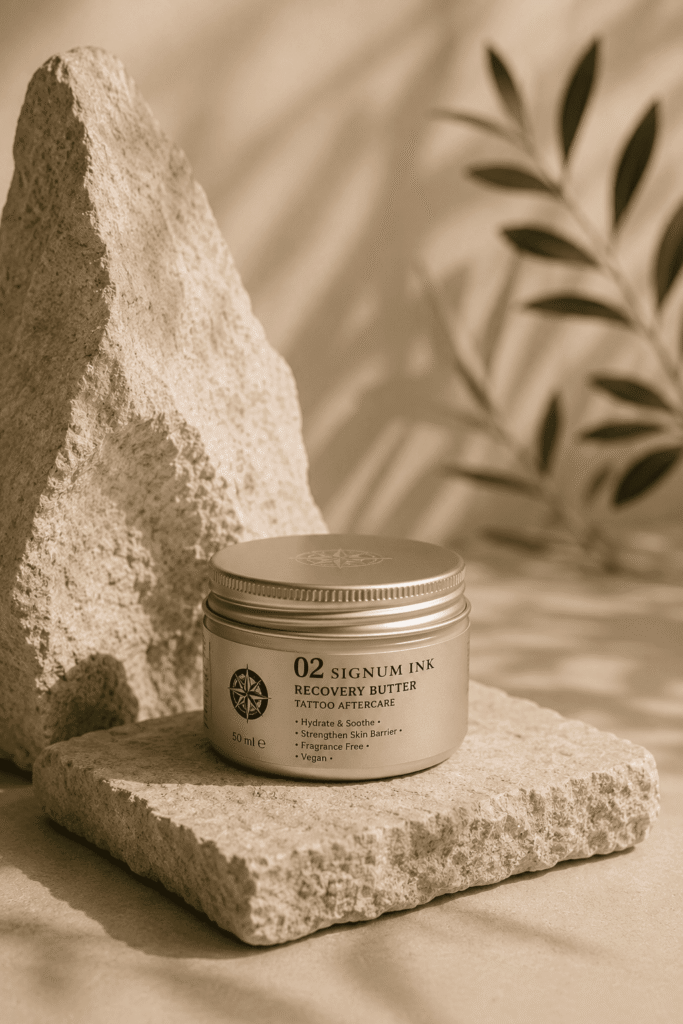
- Apply a thin layer of moisturizer when the skin feels dry or tight.
- Wear loose, breathable clothing if the tattoo is covered.
Keeping the skin comfortable—without over-moisturizing—is often all that’s needed.
What Should You Avoid?
When your tattoo begins to crack, it can be tempting to interfere with the peeling skin.
Avoid:
- Picking loose flakes.
- Pulling at cracked skin.
- Scratching itchy areas.
- Applying thick layers of ointment.
- Scrubbing the tattoo.
Allow the damaged outer skin to separate naturally.
Removing it too early may interrupt the healing process.
Can Tattoo Cracking Damage the Tattoo?
Usually not.
The cracks are normally limited to the outer layer of healing skin.
The tattoo pigment remains safely within the dermis beneath.
Problems are more likely to occur if the healing skin is repeatedly picked or torn away before it’s ready.
How Can You Prevent Tattoo Cracking?
Some cracking is part of normal healing, but you can reduce excessive dryness by following good aftercare practices.
Helpful habits include:
- Washing gently.
- Moisturizing with a thin layer when needed.
- Drinking enough water.
- Avoiding prolonged sun exposure during healing.
- Wearing breathable clothing.
- Protecting the tattoo from unnecessary friction.
Healthy skin heals more comfortably.
When Should You See a Healthcare Professional?
Tattoo cracking alone rarely requires medical treatment.
However, seek professional advice if you notice:
- Rapidly worsening redness.
- Significant swelling.
- Thick yellow or green discharge.
- Fever.
- Increasing pain.
- Deep open wounds rather than superficial cracks.
These symptoms may indicate a complication beyond normal healing.
Common Myths About Tattoo Cracking
Myth 1: My Tattoo Ink Is Cracking
False.
The tattoo pigment sits much deeper within the skin.
The visible cracking occurs in the outer healing layer—not in the ink itself.
Myth 2: Cracking Means My Tattoo Is Ruined
False.
Most tattoos continue healing normally despite temporary cracking of dry skin.
Myth 3: More Moisturizer Prevents All Cracking
Not necessarily.
Moisturizer helps maintain skin comfort, but applying excessive amounts may interfere with normal healing.
A thin layer is generally sufficient.
Myth 4: I Should Peel Away the Cracked Skin
No.
Allow the peeling skin to detach naturally.
Pulling it away too early may delay healing and increase irritation.
Frequently Asked Questions
Is tattoo cracking normal?
Yes.
Small surface cracks commonly appear as the outer layer of healing skin dries and prepares to peel.
Will cracking remove tattoo ink?
No.
The permanent pigment remains within the dermis.
Normal surface cracking doesn’t remove settled tattoo ink.
Should I moisturize a cracking tattoo?
Yes—but only with a thin layer when the skin feels dry.
Over-moisturizing isn’t beneficial.
How long does tattoo cracking last?
For many people, cracking improves as the peeling stage finishes.
The exact timing depends on your skin and the tattoo’s location.
Can cracked skin become infected?
Superficial cracking alone doesn’t usually cause infection.
However, repeatedly picking or tearing the healing skin may increase the risk of irritation and bacterial entry.
Conclusion
Tattoo cracking can look dramatic, but it’s usually one of the most normal stages of tattoo healing.
In most cases, you’re seeing dry outer skin preparing to shed—not damage to the tattoo itself.
By keeping your tattoo clean, applying moisturizer in moderation and resisting the urge to pick at peeling skin, you give your body the best chance to heal naturally.
Patience, gentle aftercare and realistic expectations are often the most effective treatment.
Continue Learning
Wondering why your tattoo feels dry, flaky or itchy during healing?
 English
  German
  Dutch
Dutch  Danish
  Swedish
  French
  Italian